
Transcordilleras: An Andean Adventure
Words by Mike McDermott / Photos by Pipe Cano
Mike McDermott takes us along for the ride of a lifetime through the Colombian Andes with fellow Gravelstoke rider Peter Sutcliffe for the 2026 Transcordilleras 8-stage gravel bikepacking race. Widely regarded as one of the most challenging gravel races in the world, the 600-mile course delivered nearly 60,000 feet of climbing, relentless jungle terrain, and unforgettable Colombian culture. Check out his race report and photos from the adventure below…
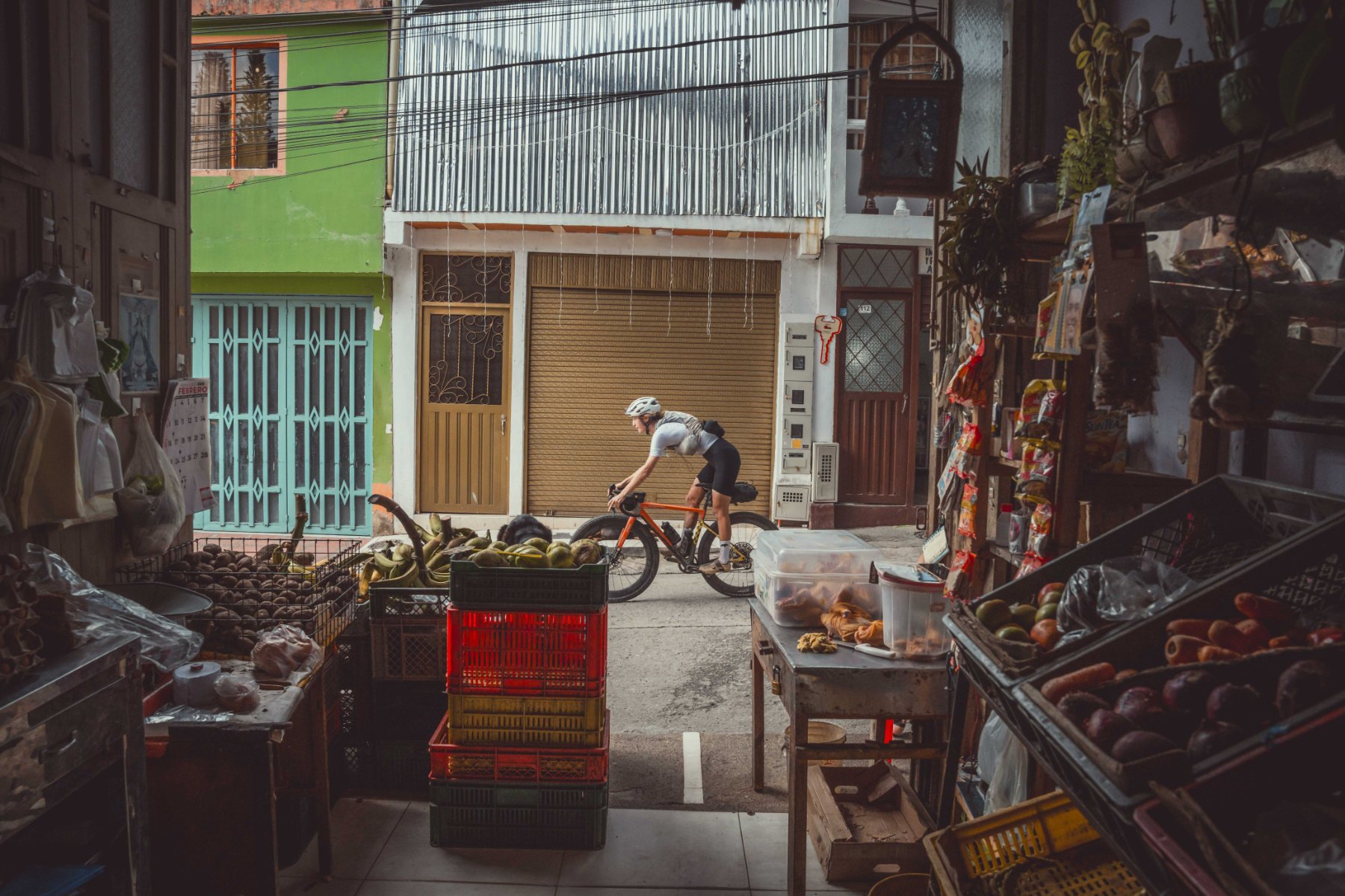
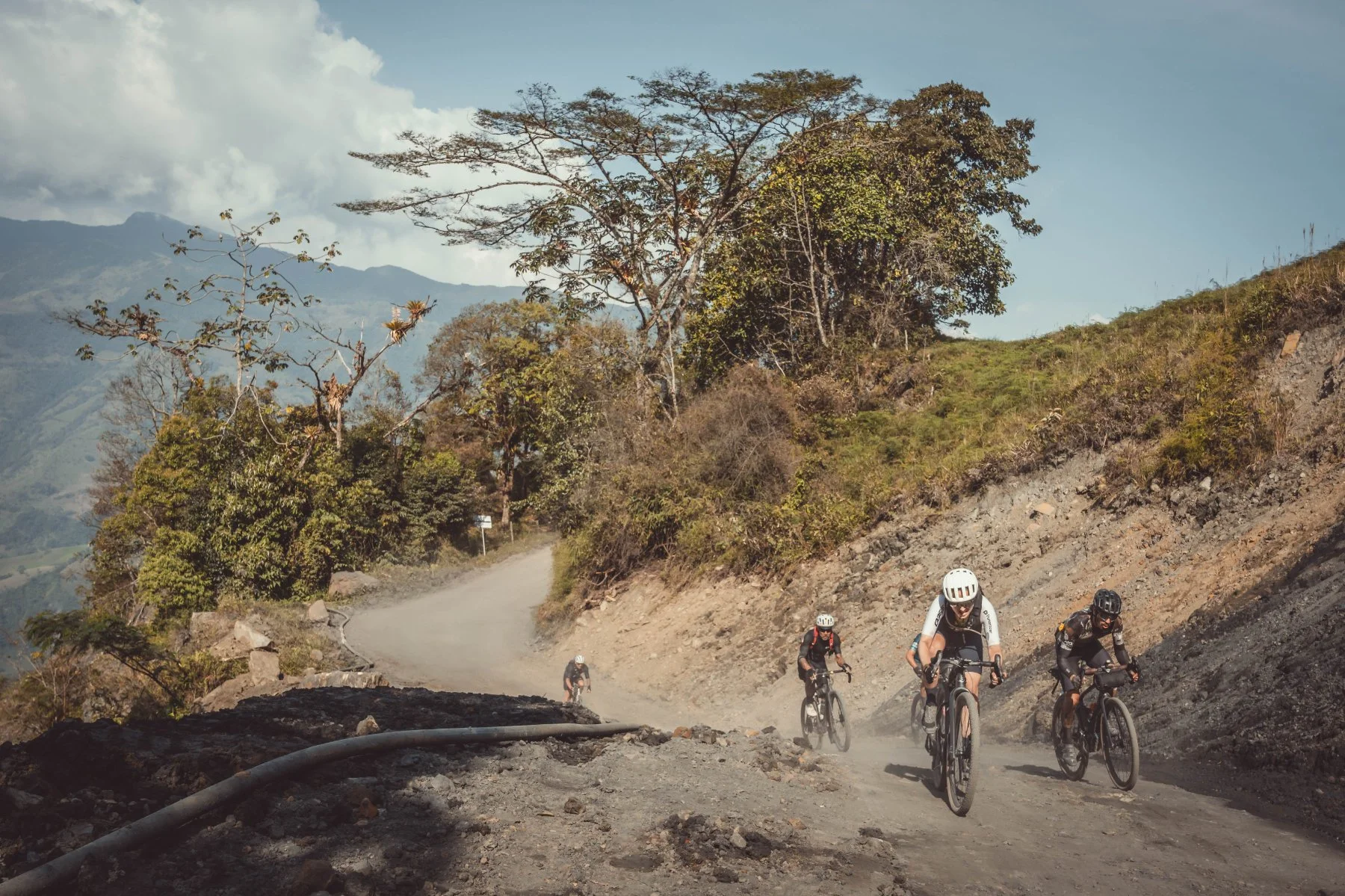
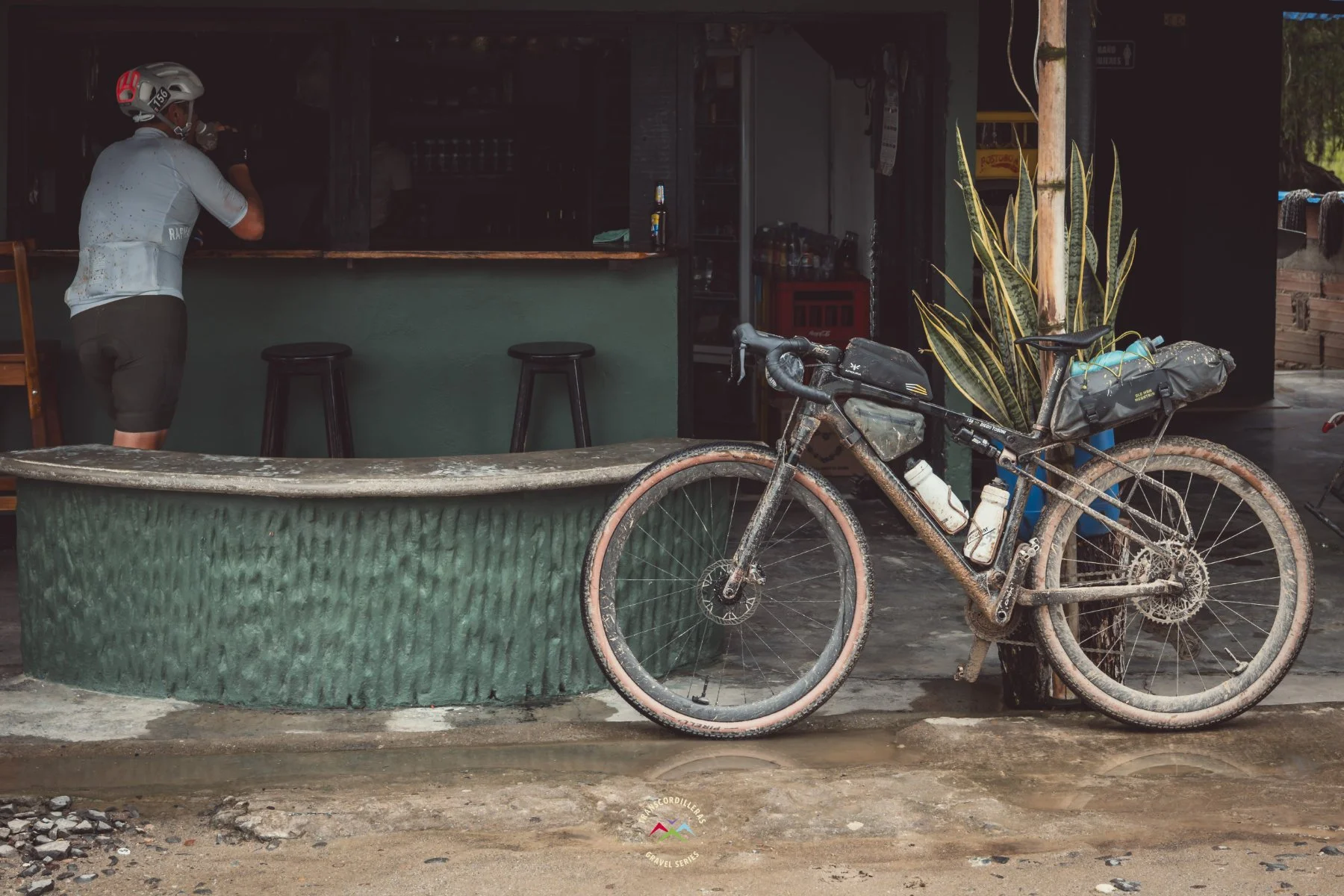
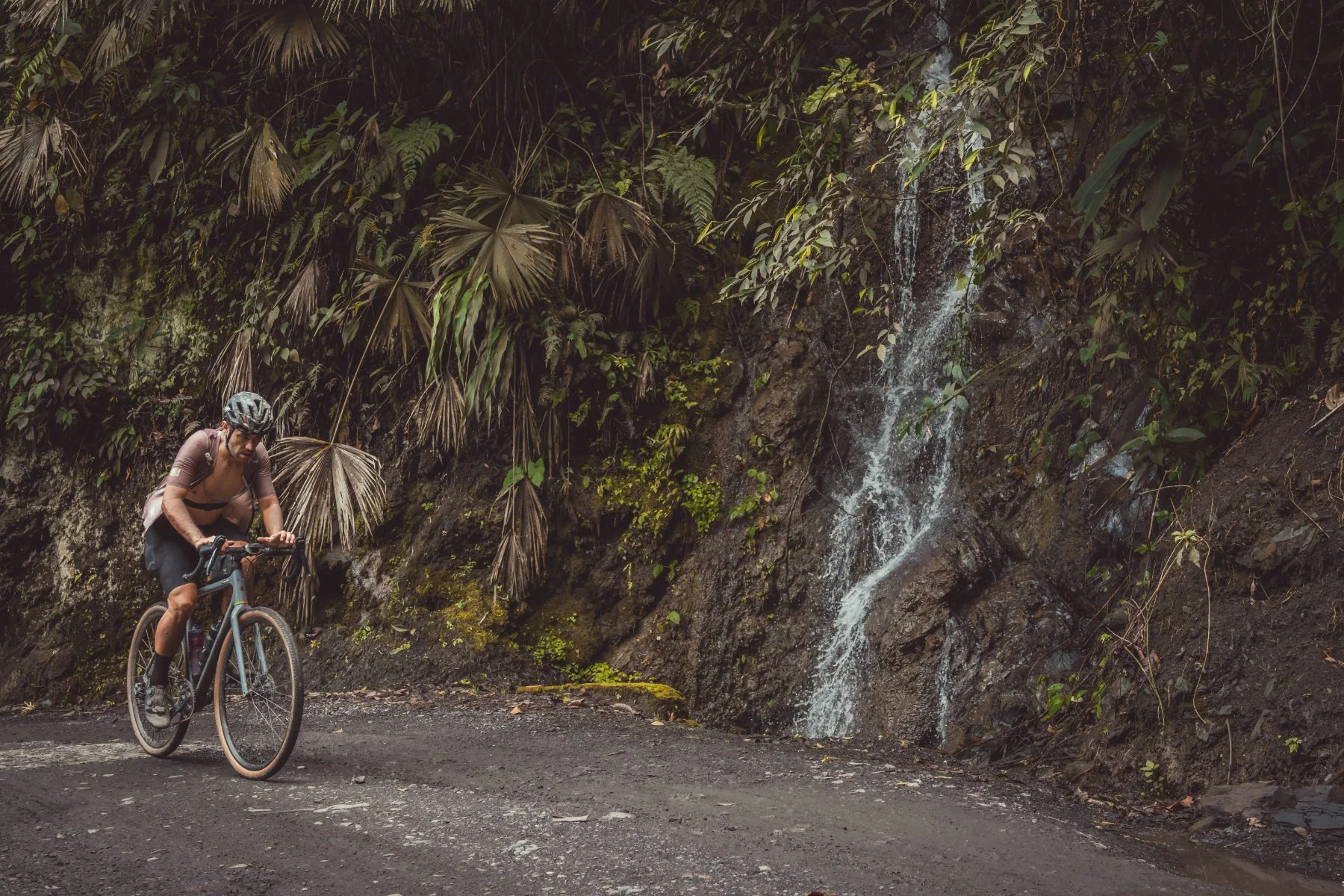
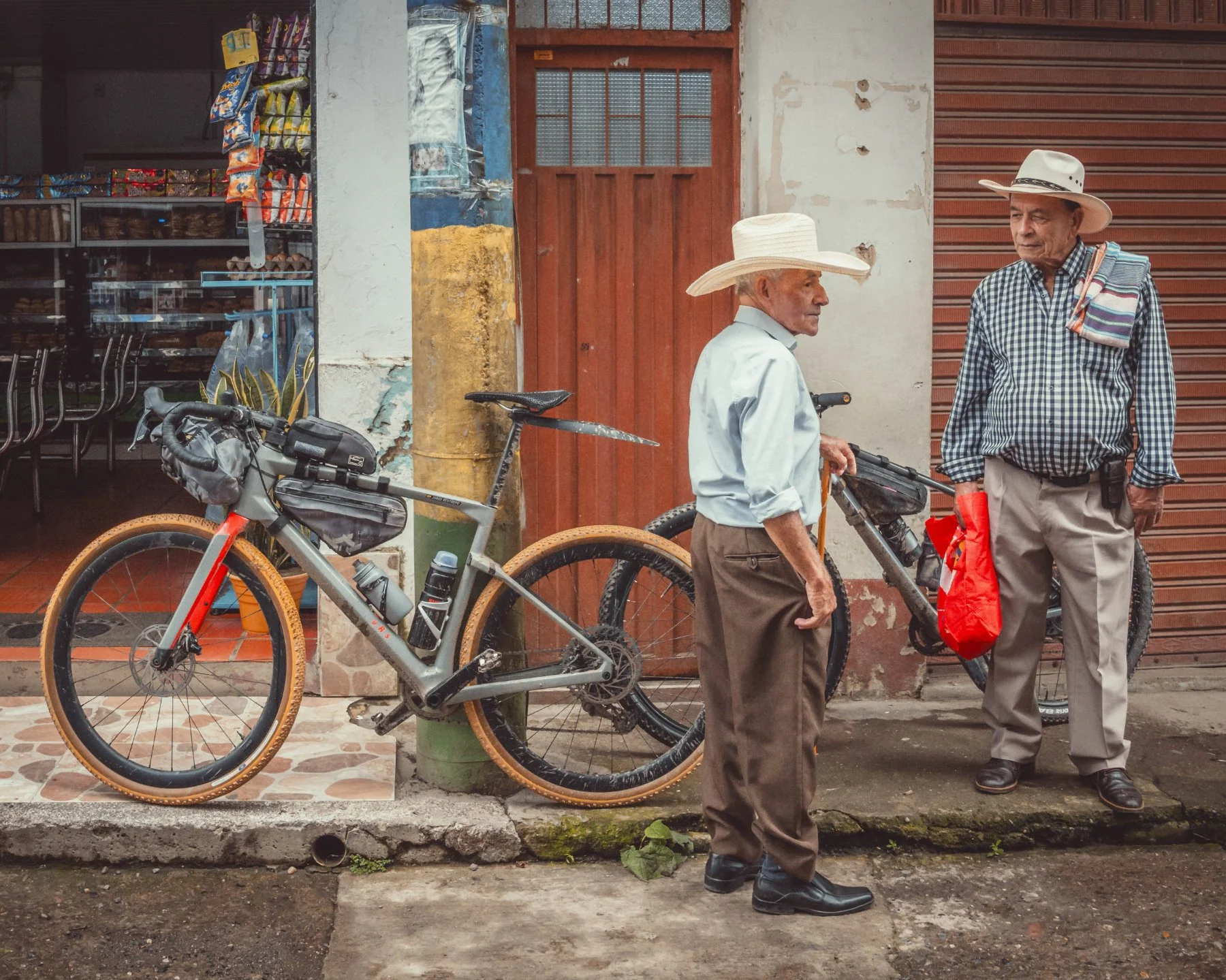
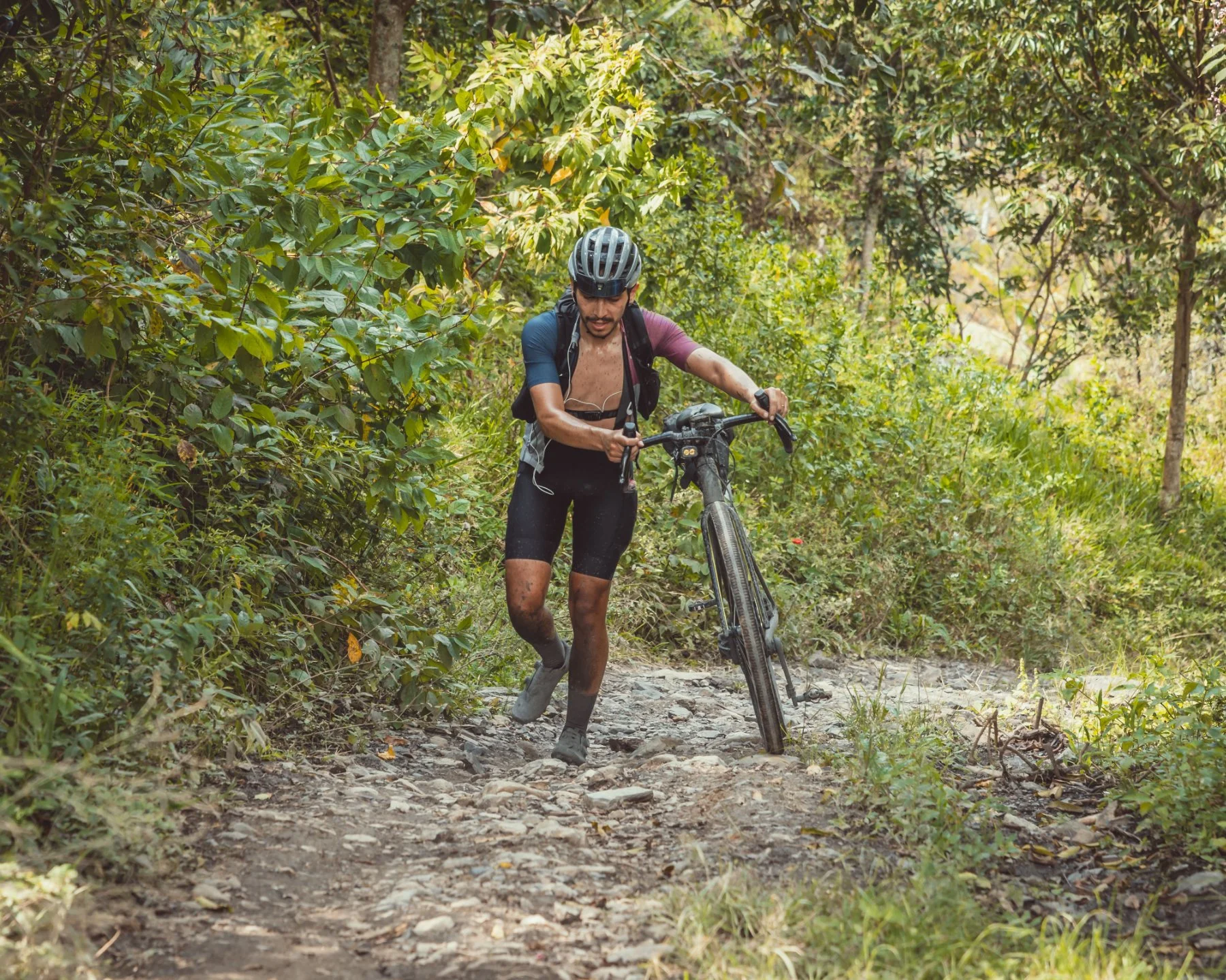
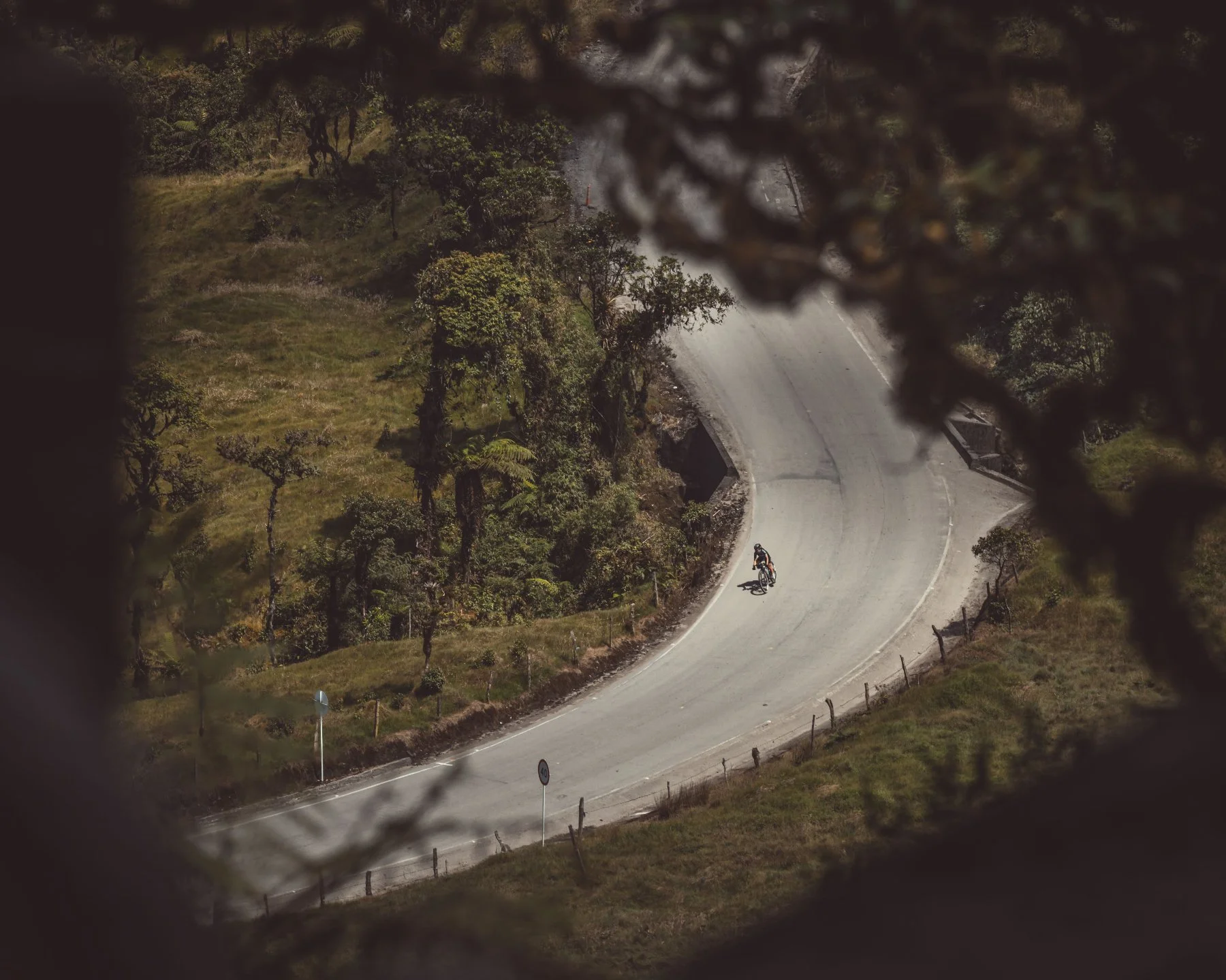
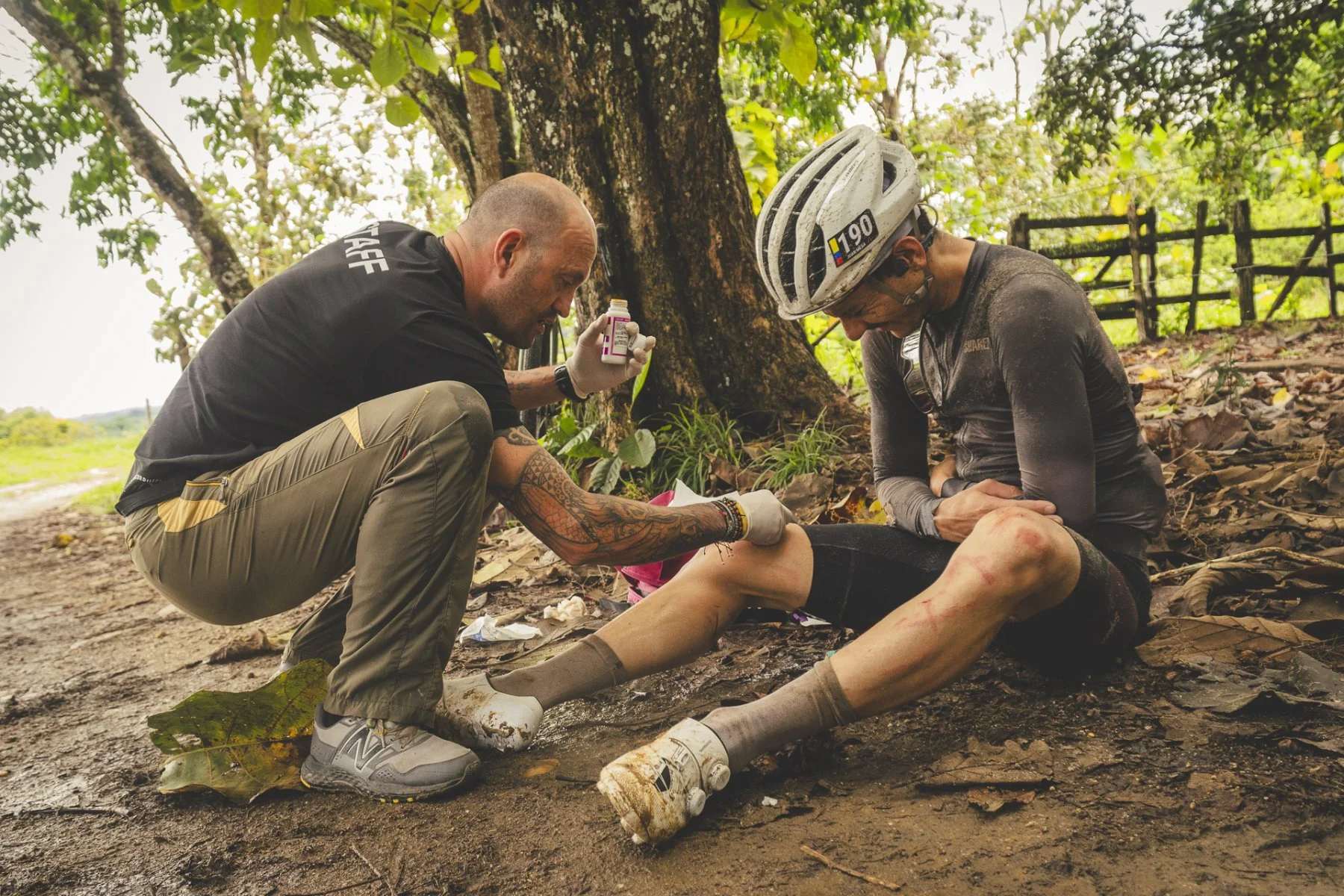
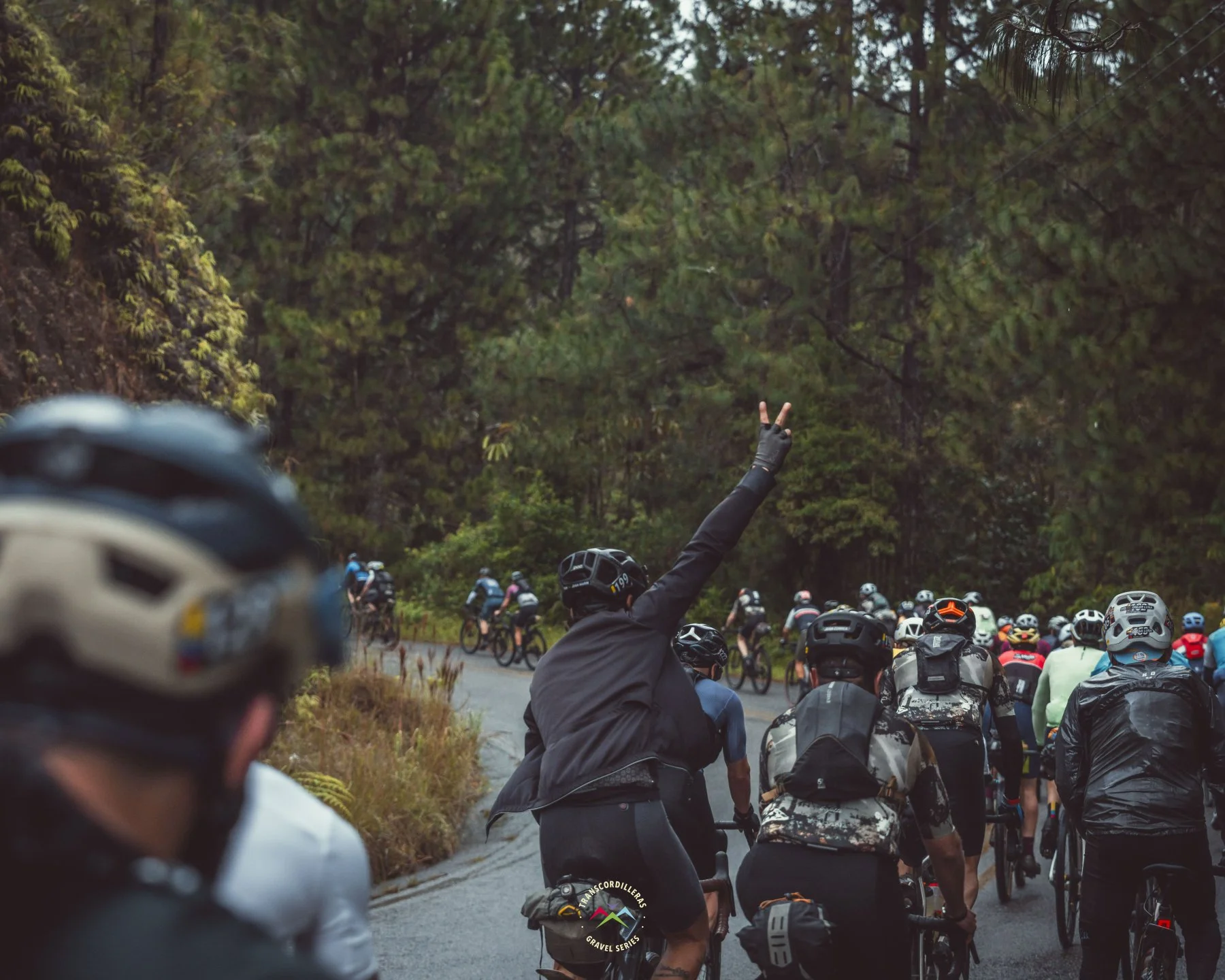
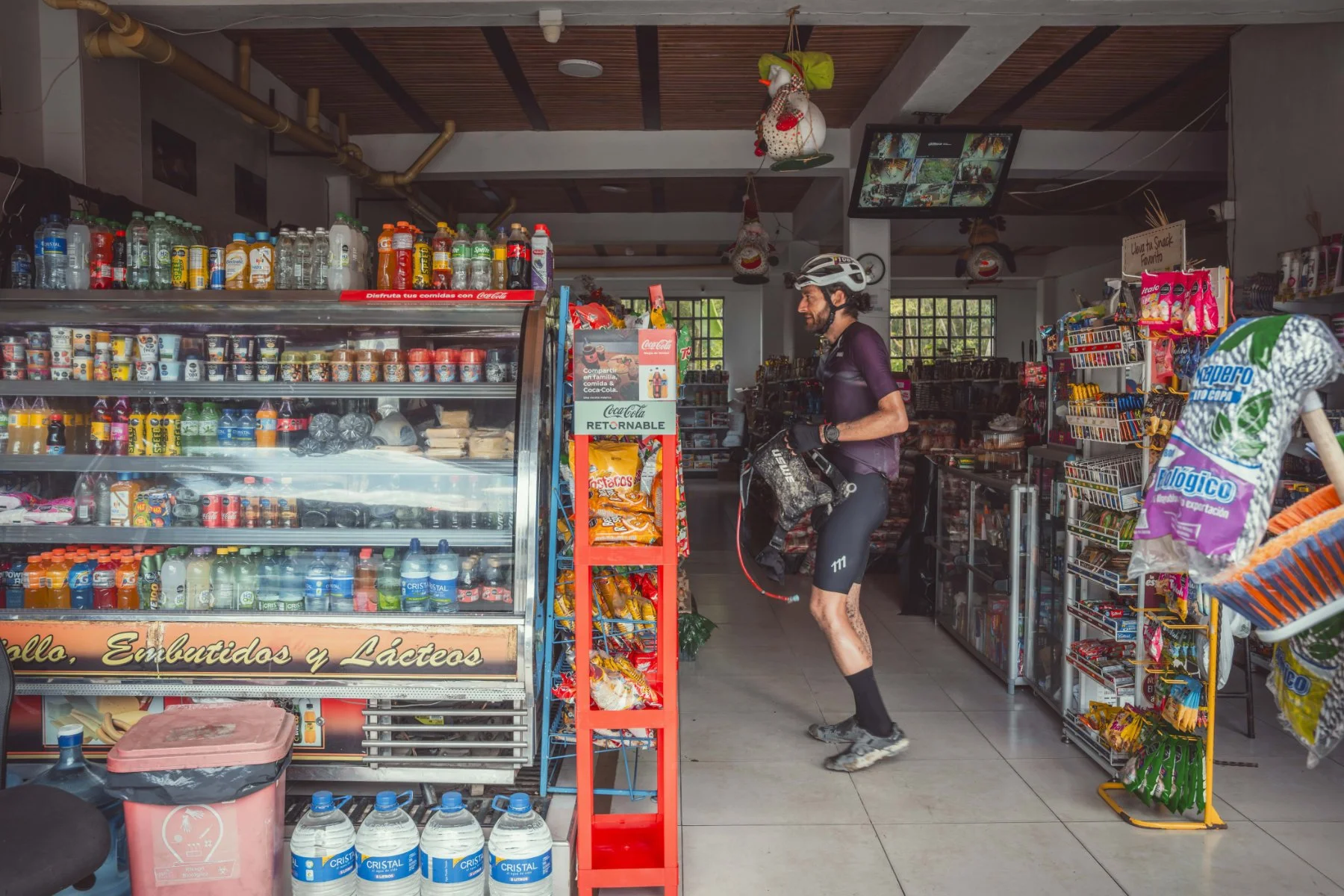
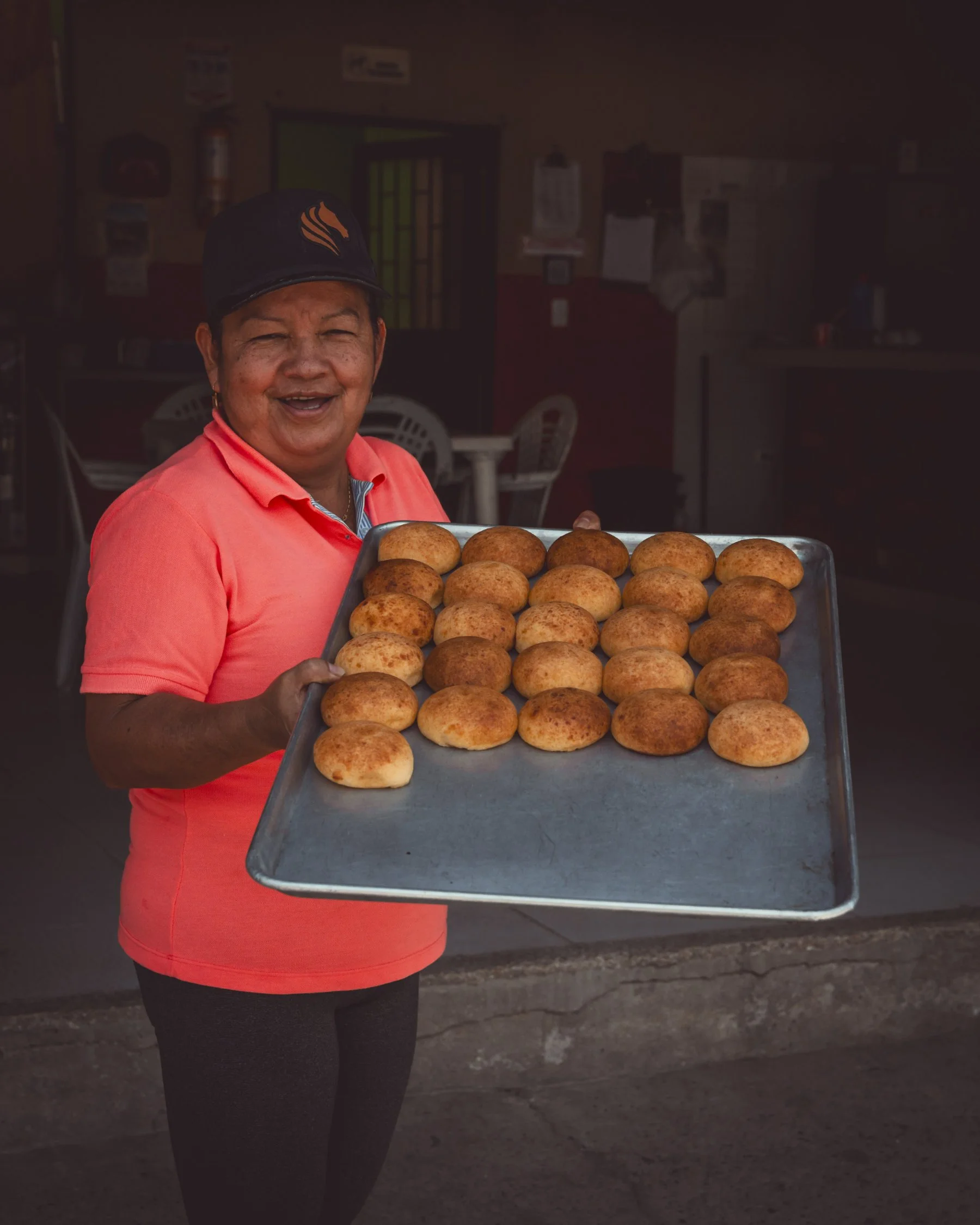
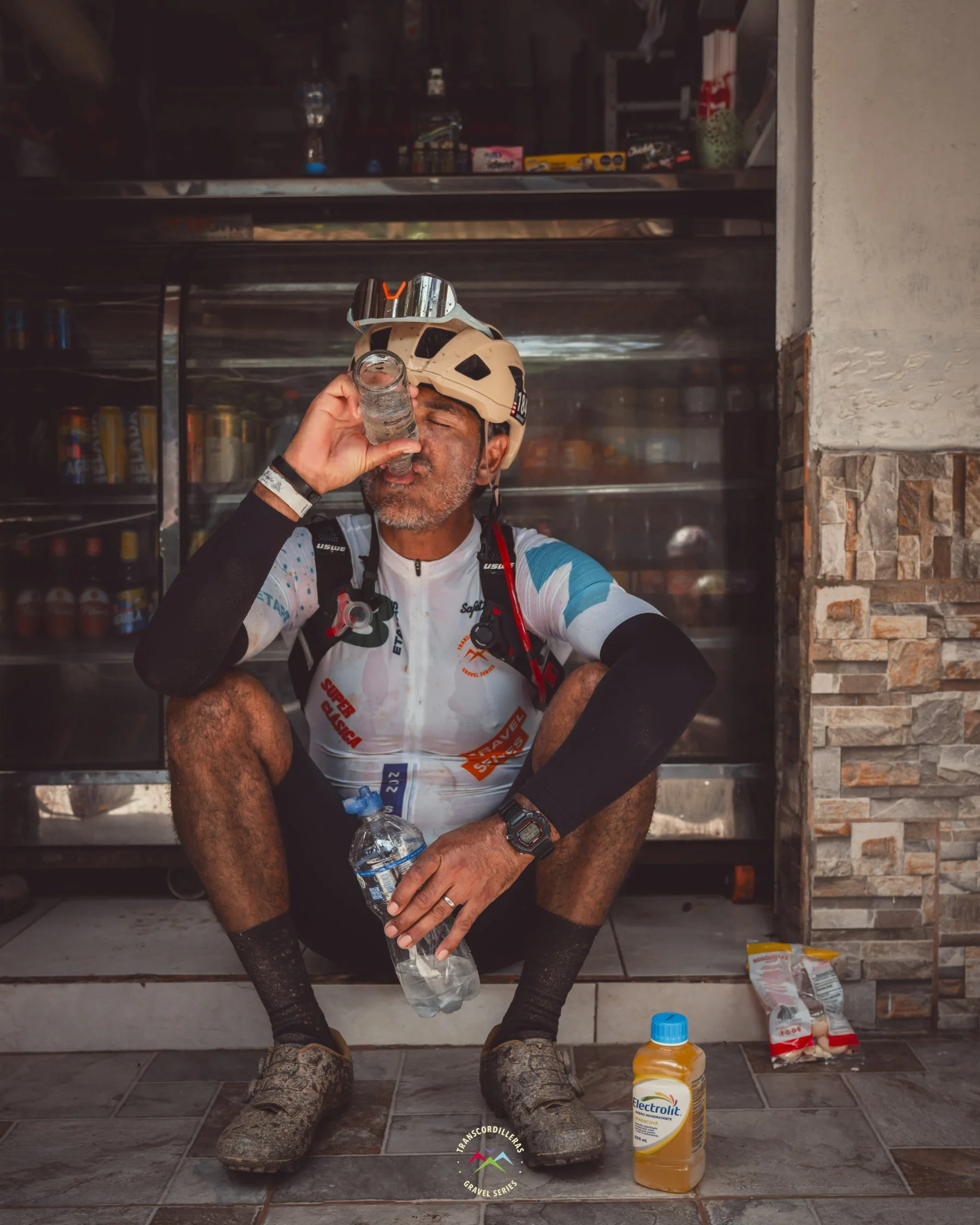
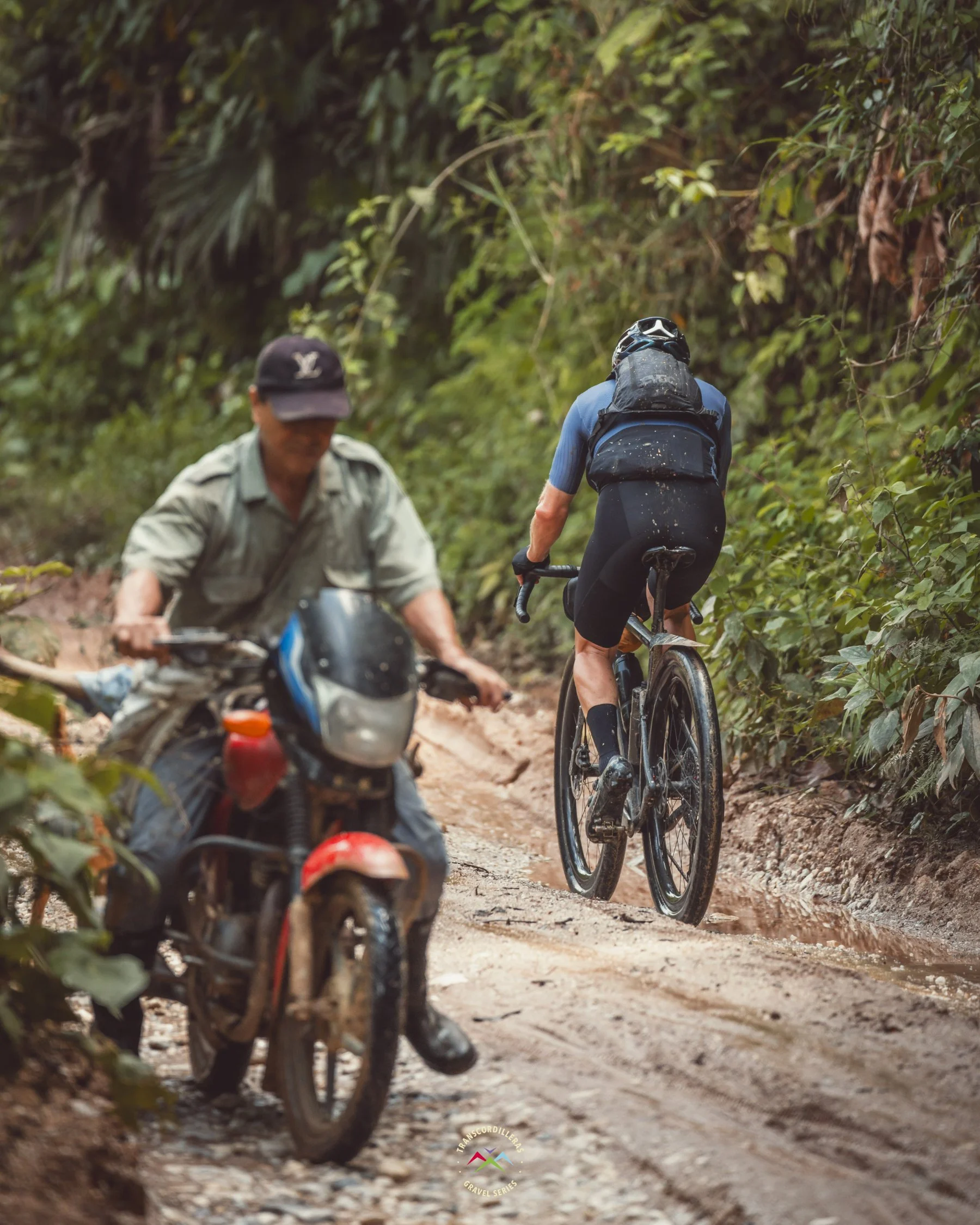
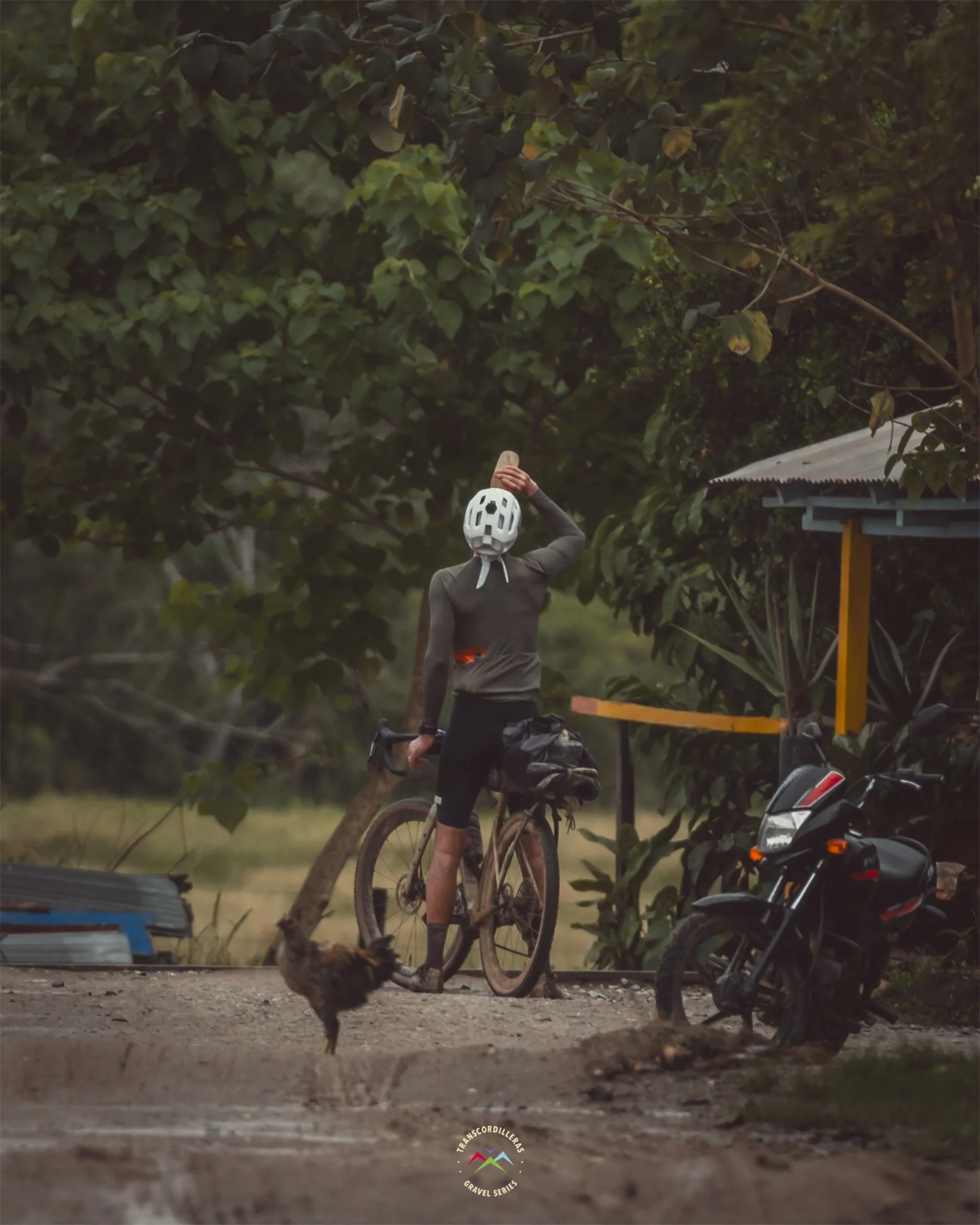
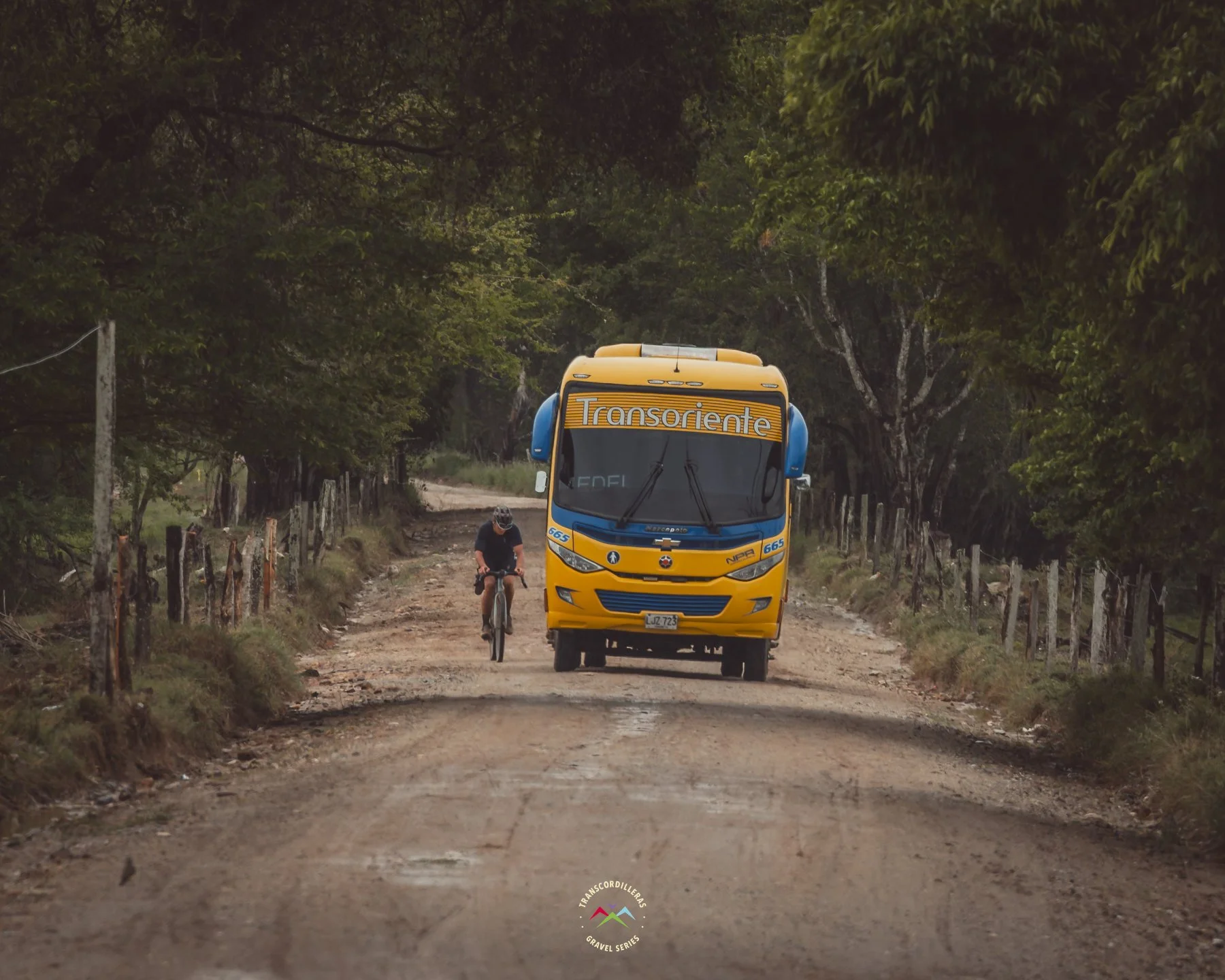
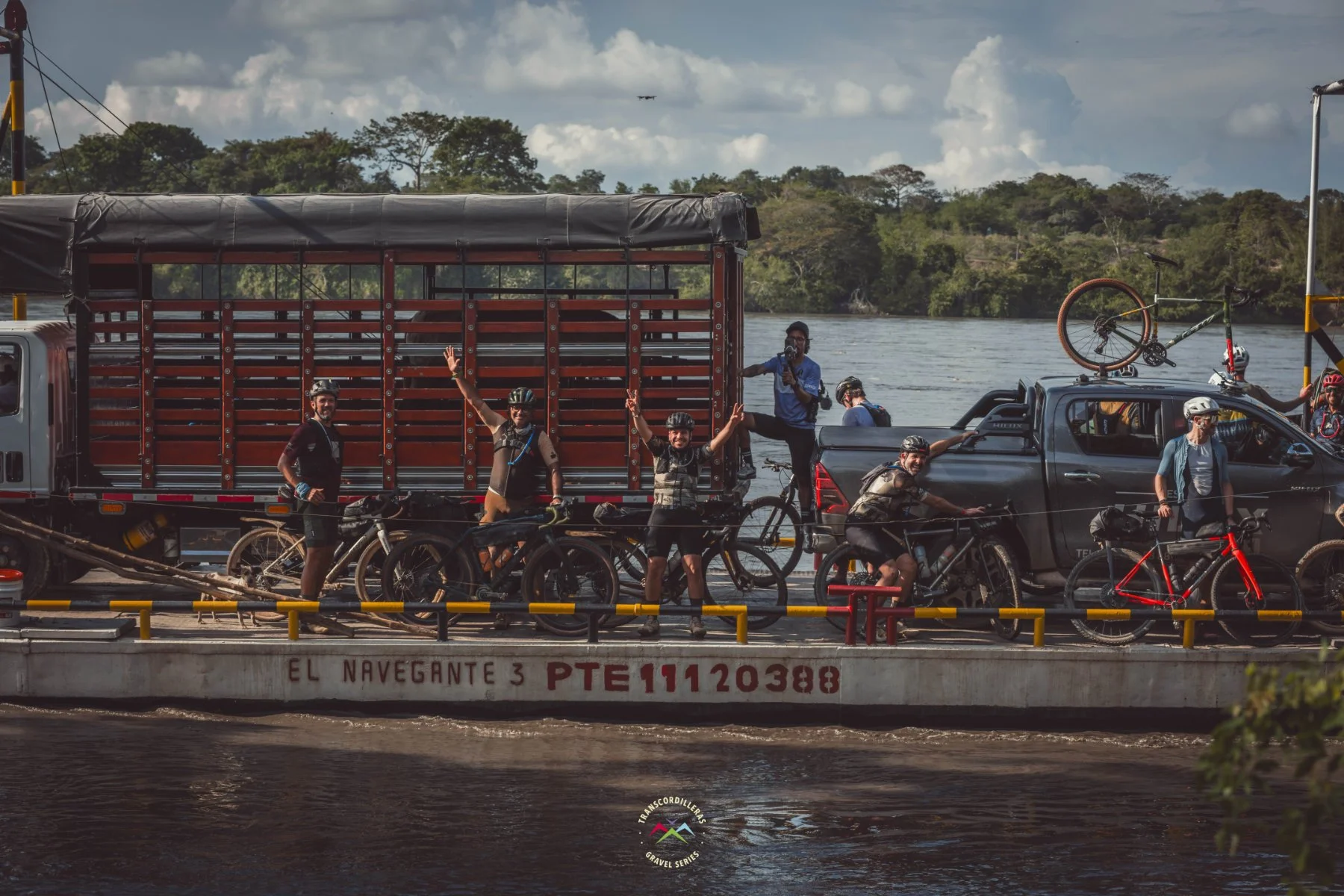
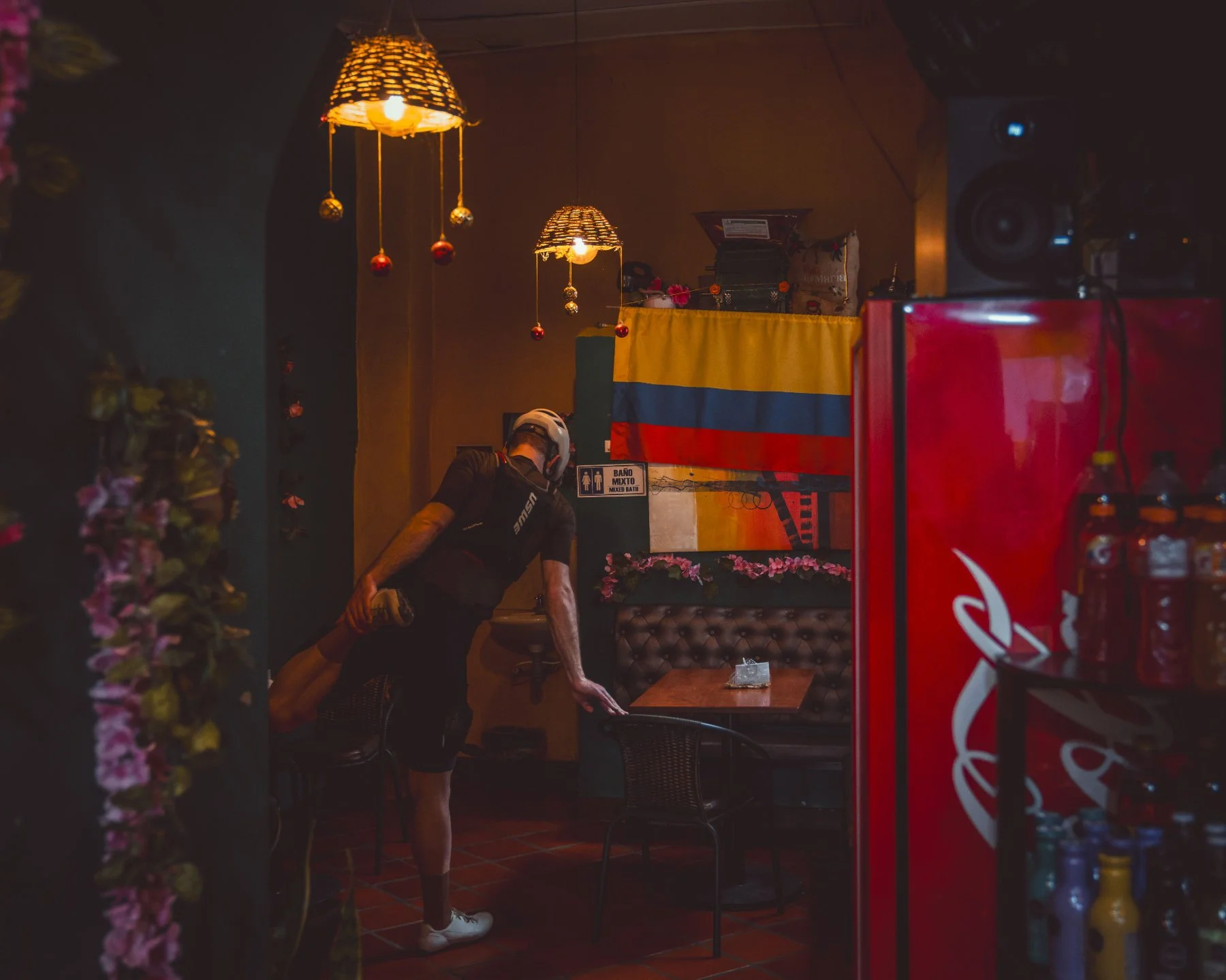
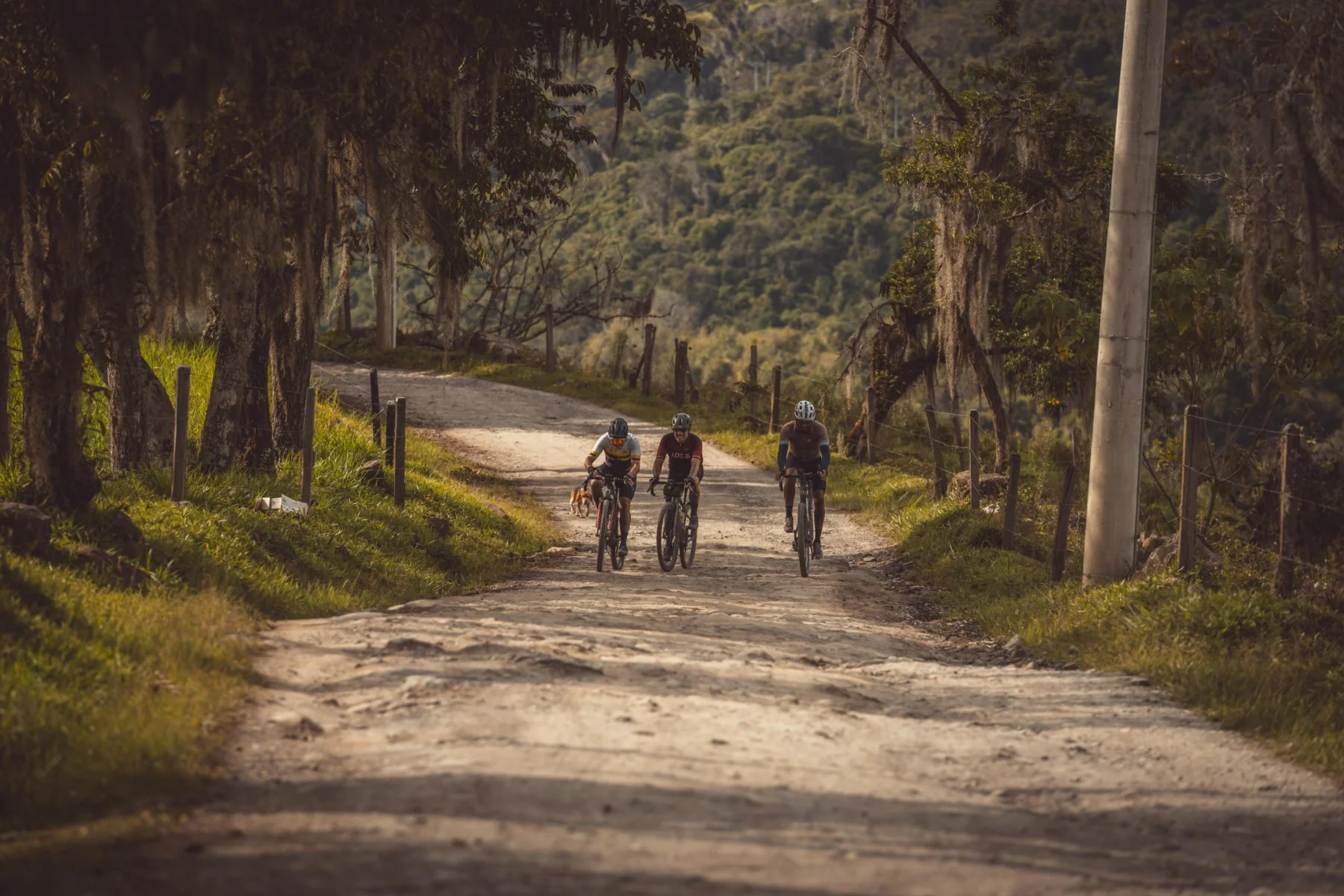
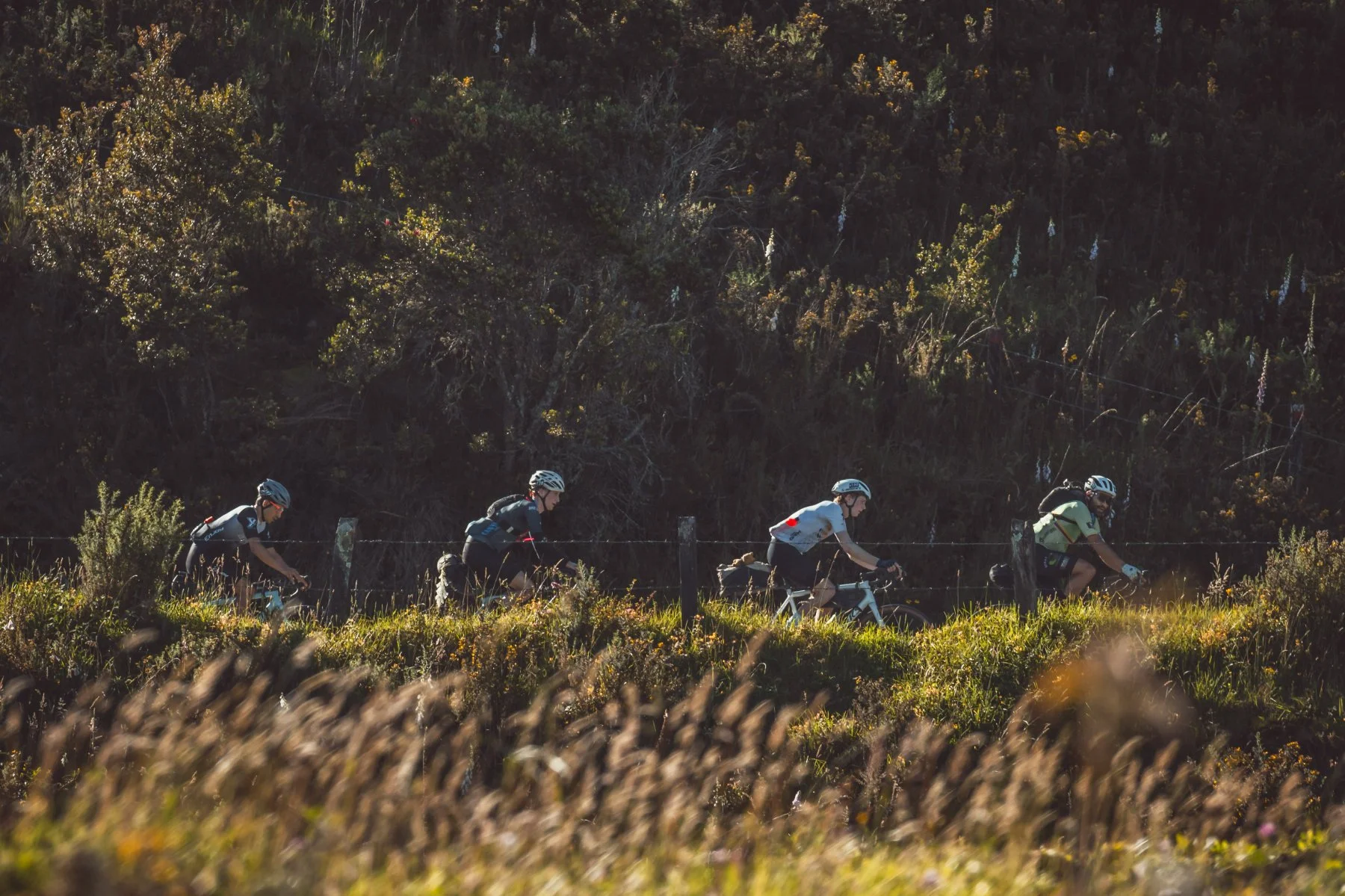
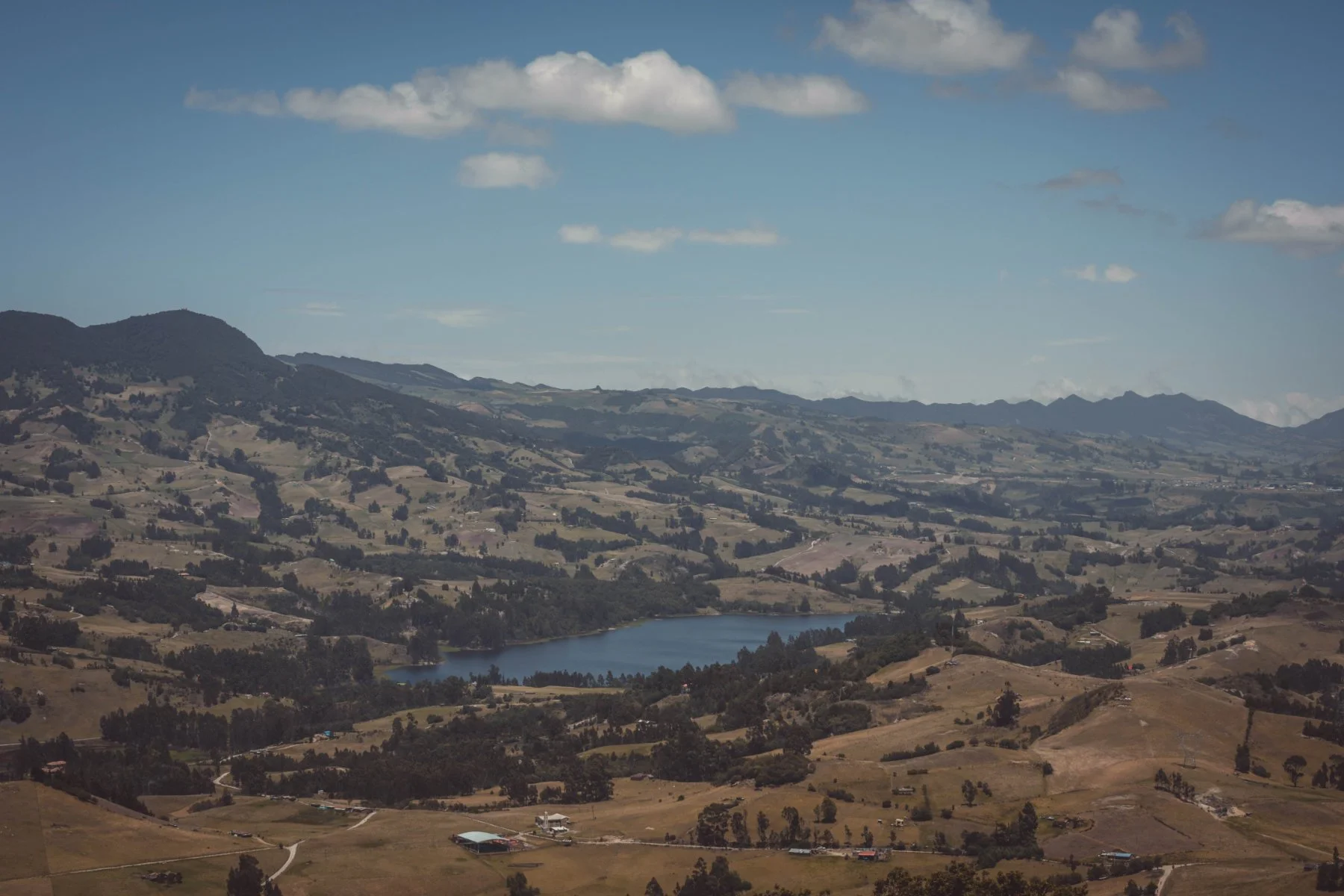
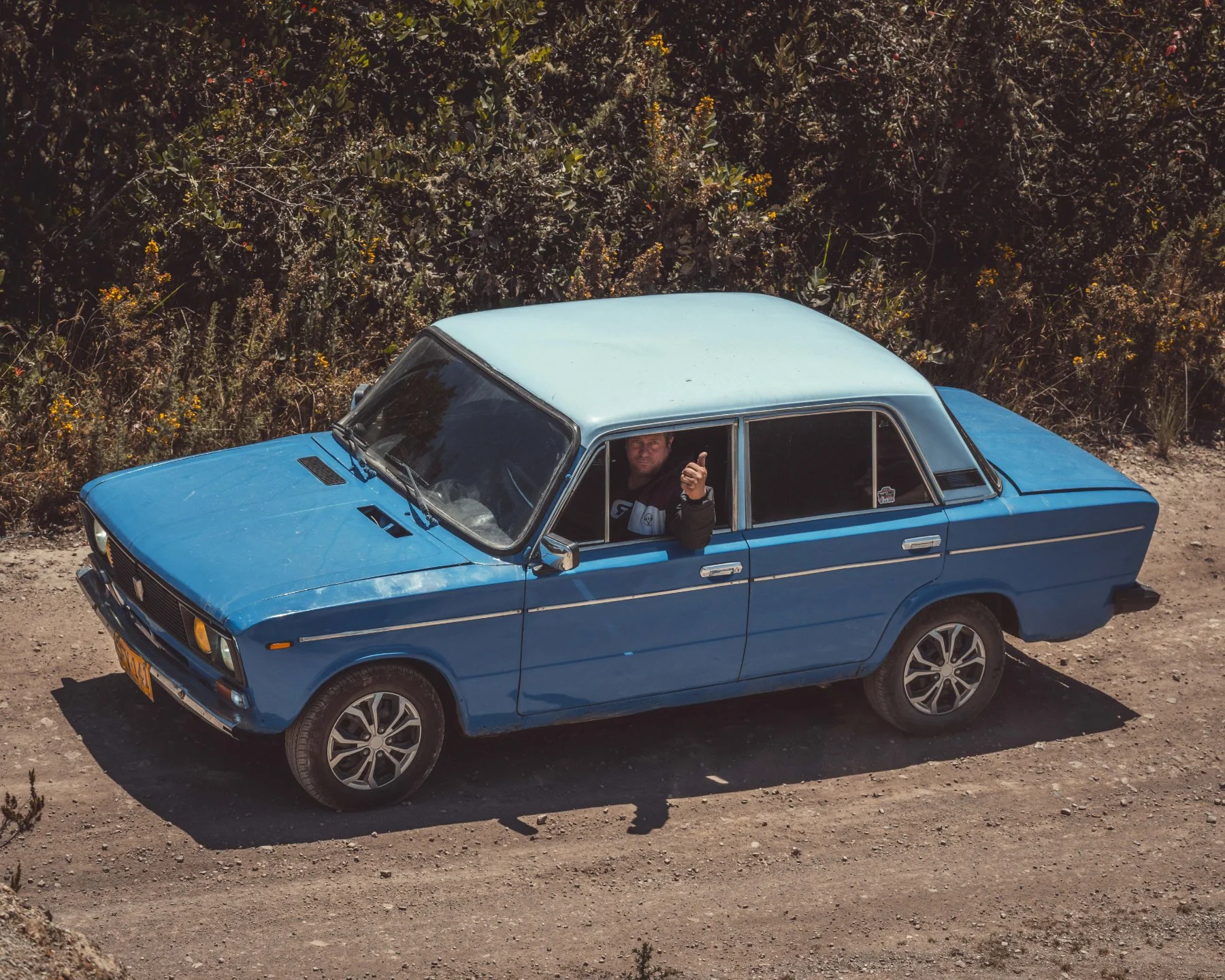
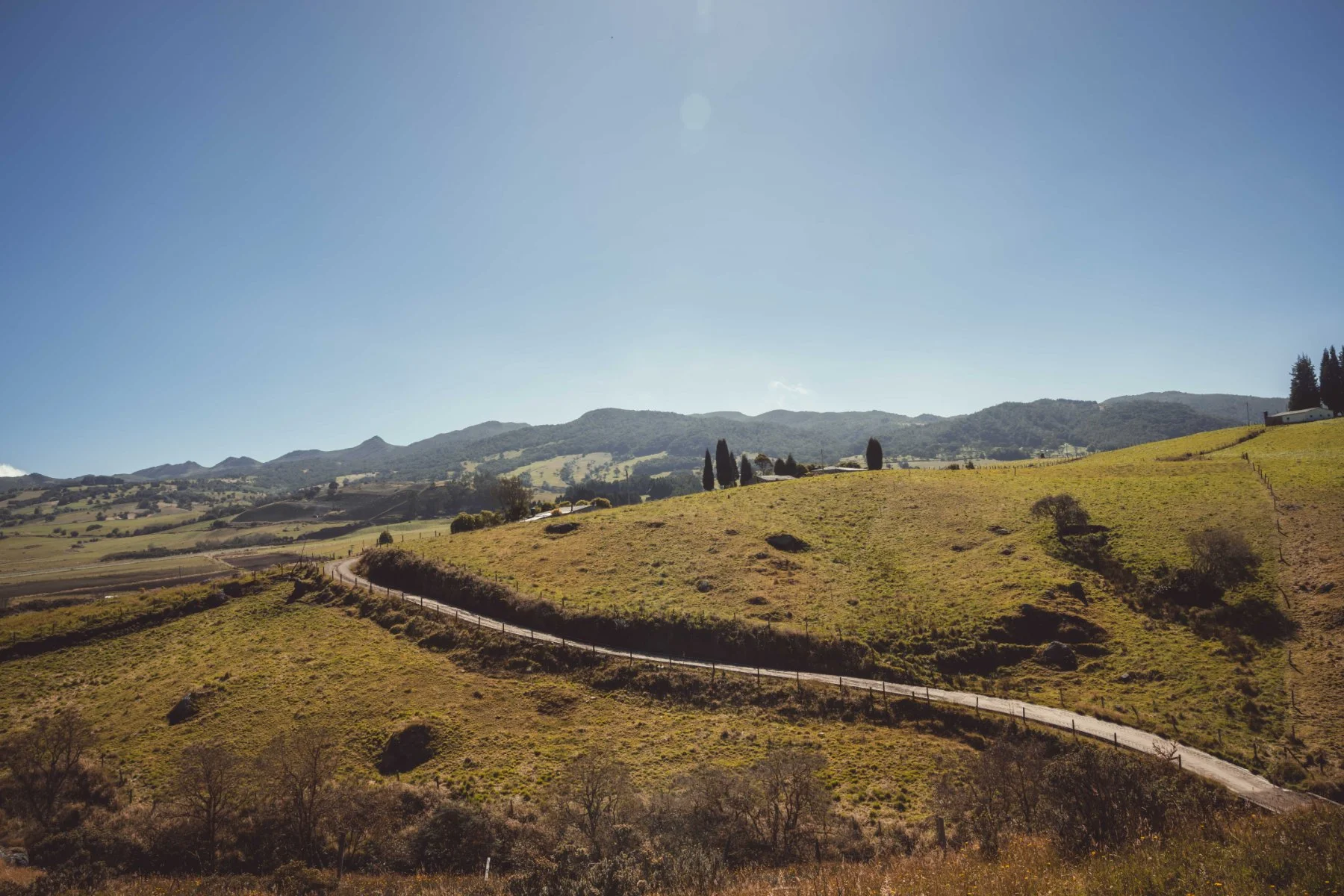
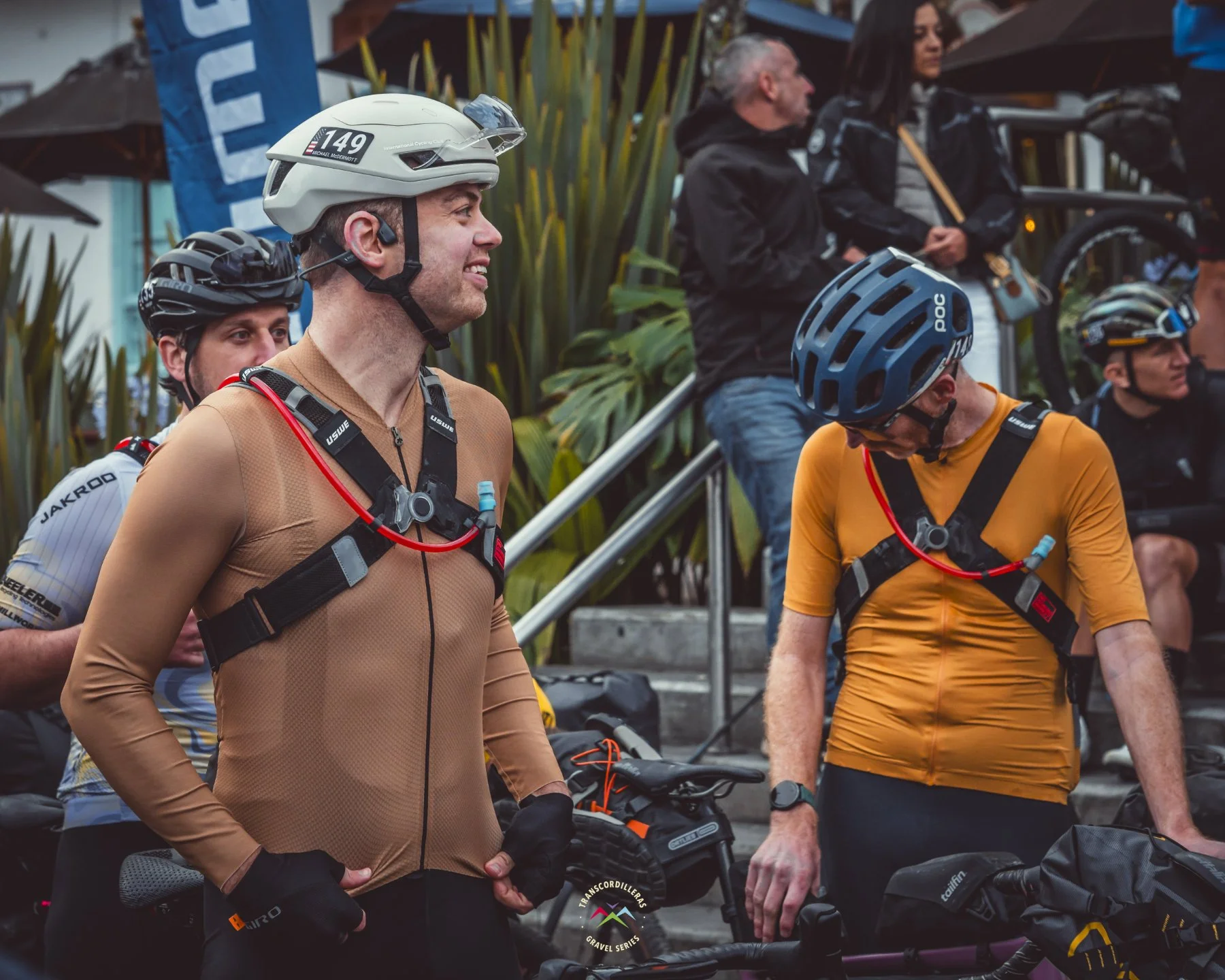
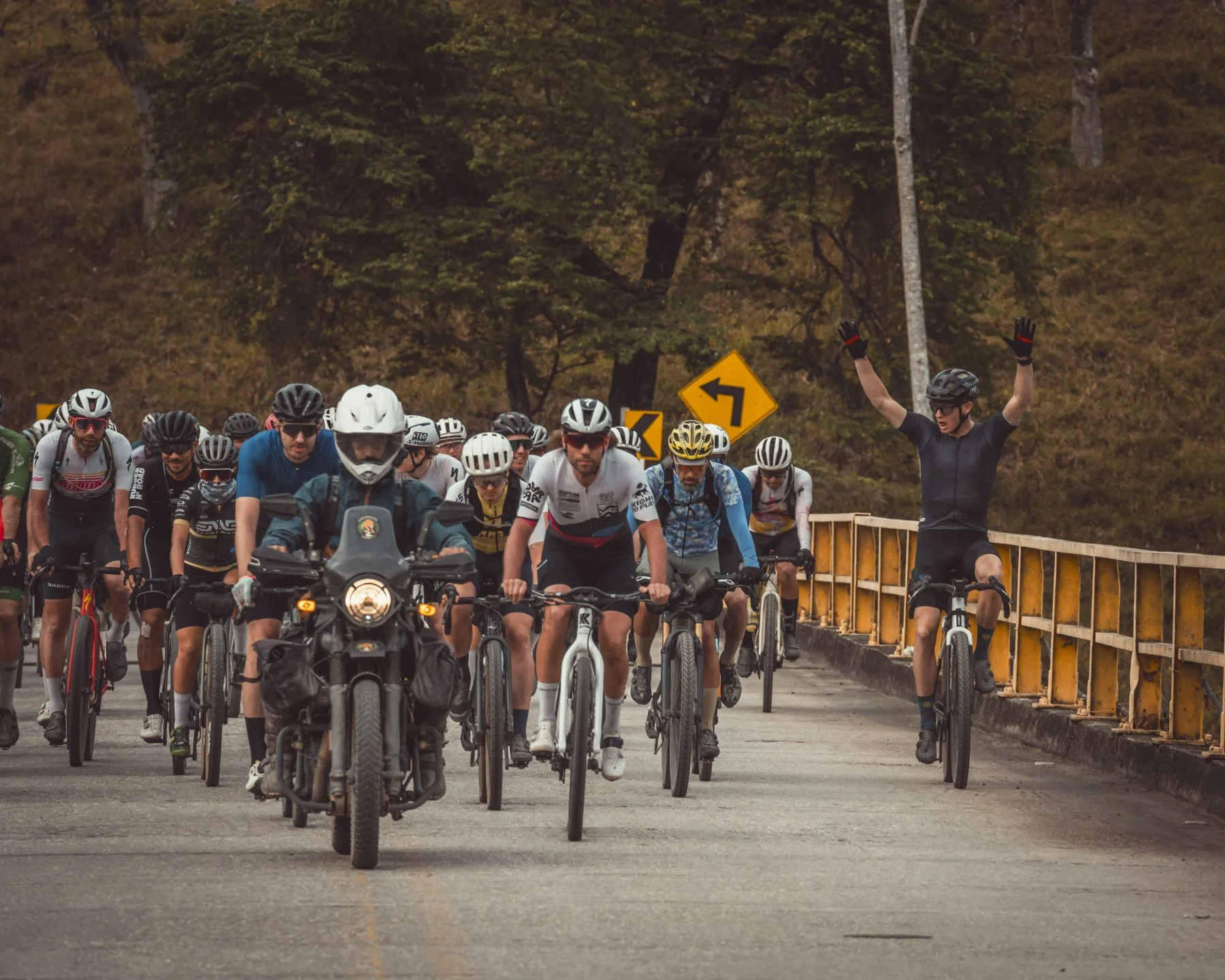
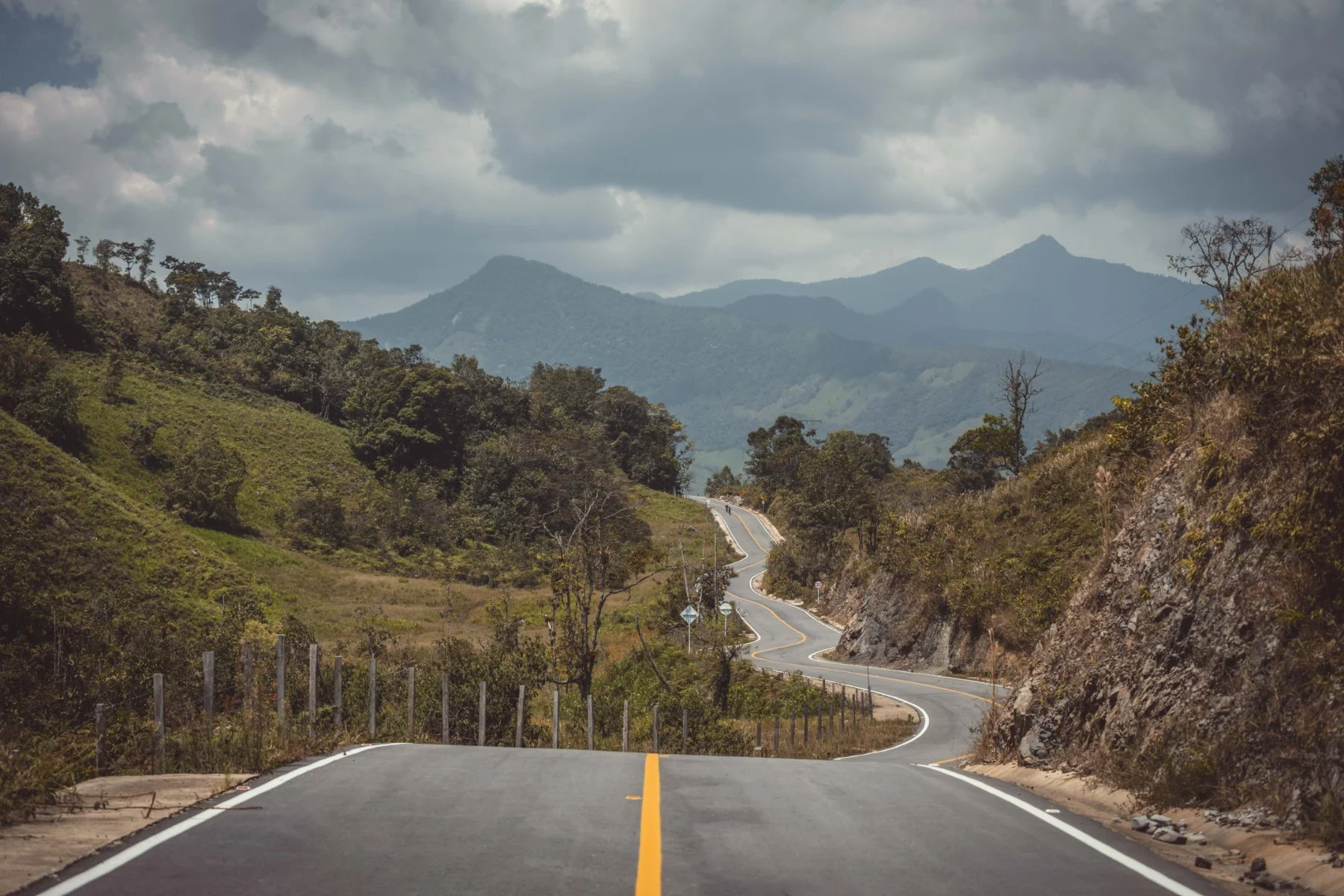
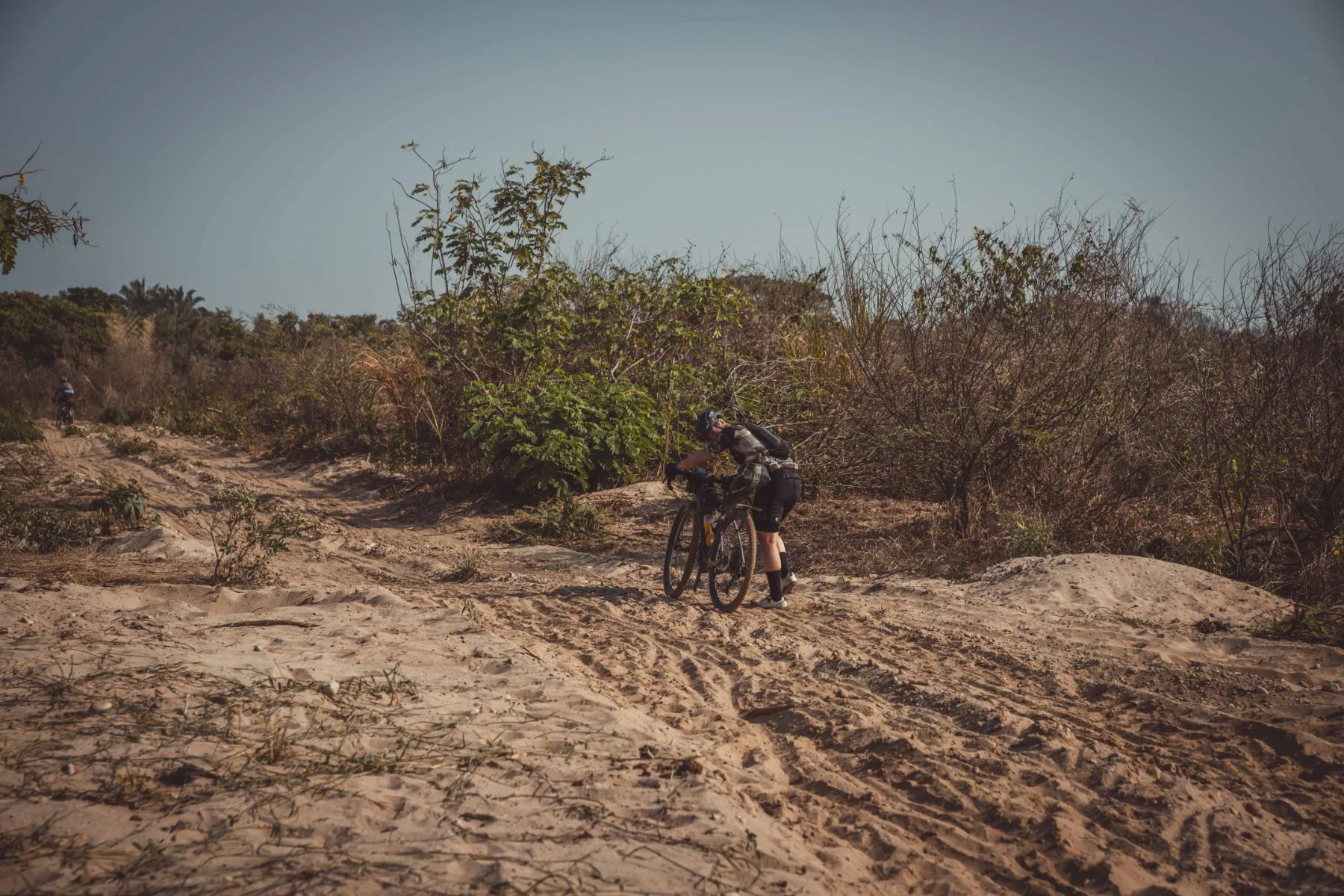
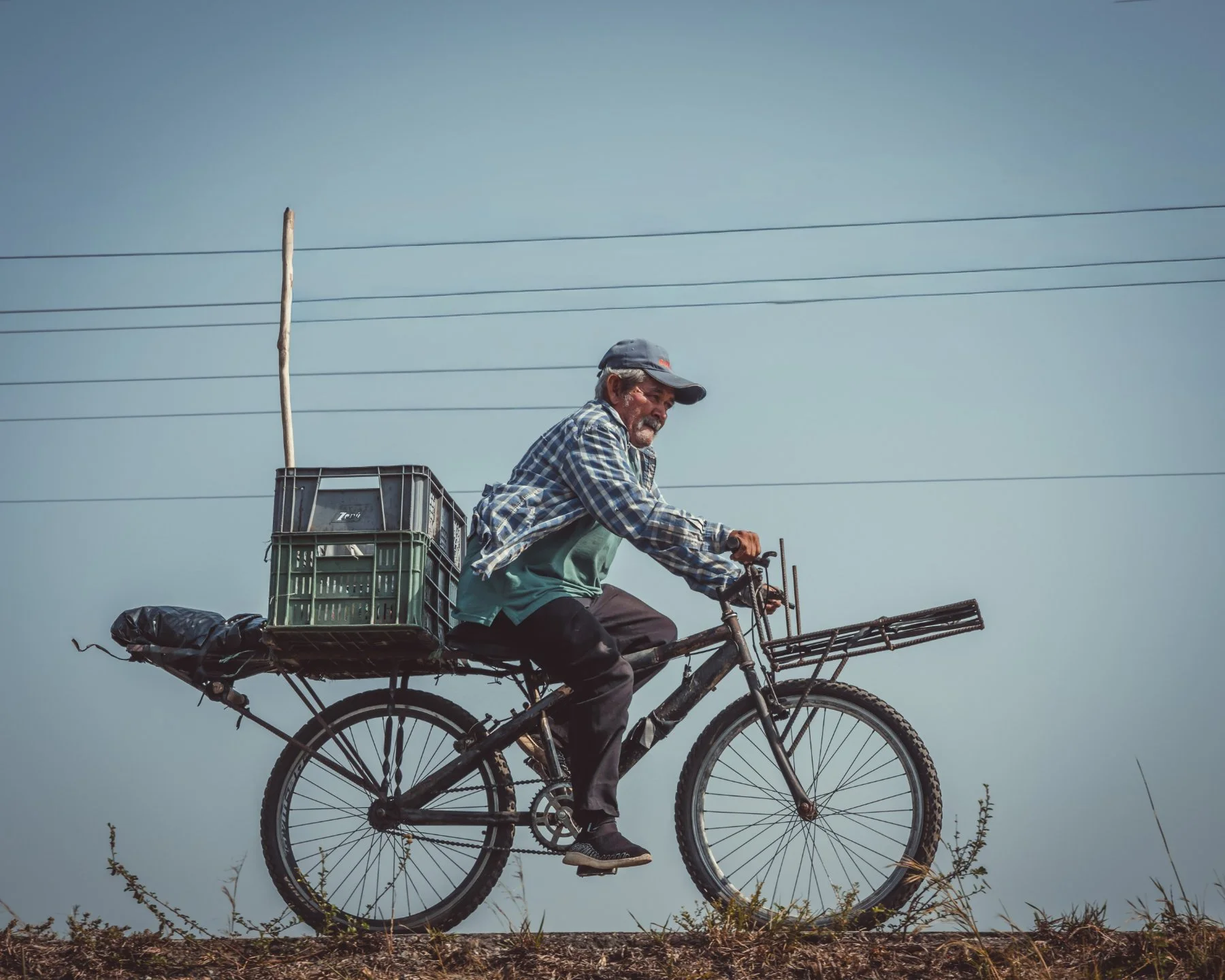
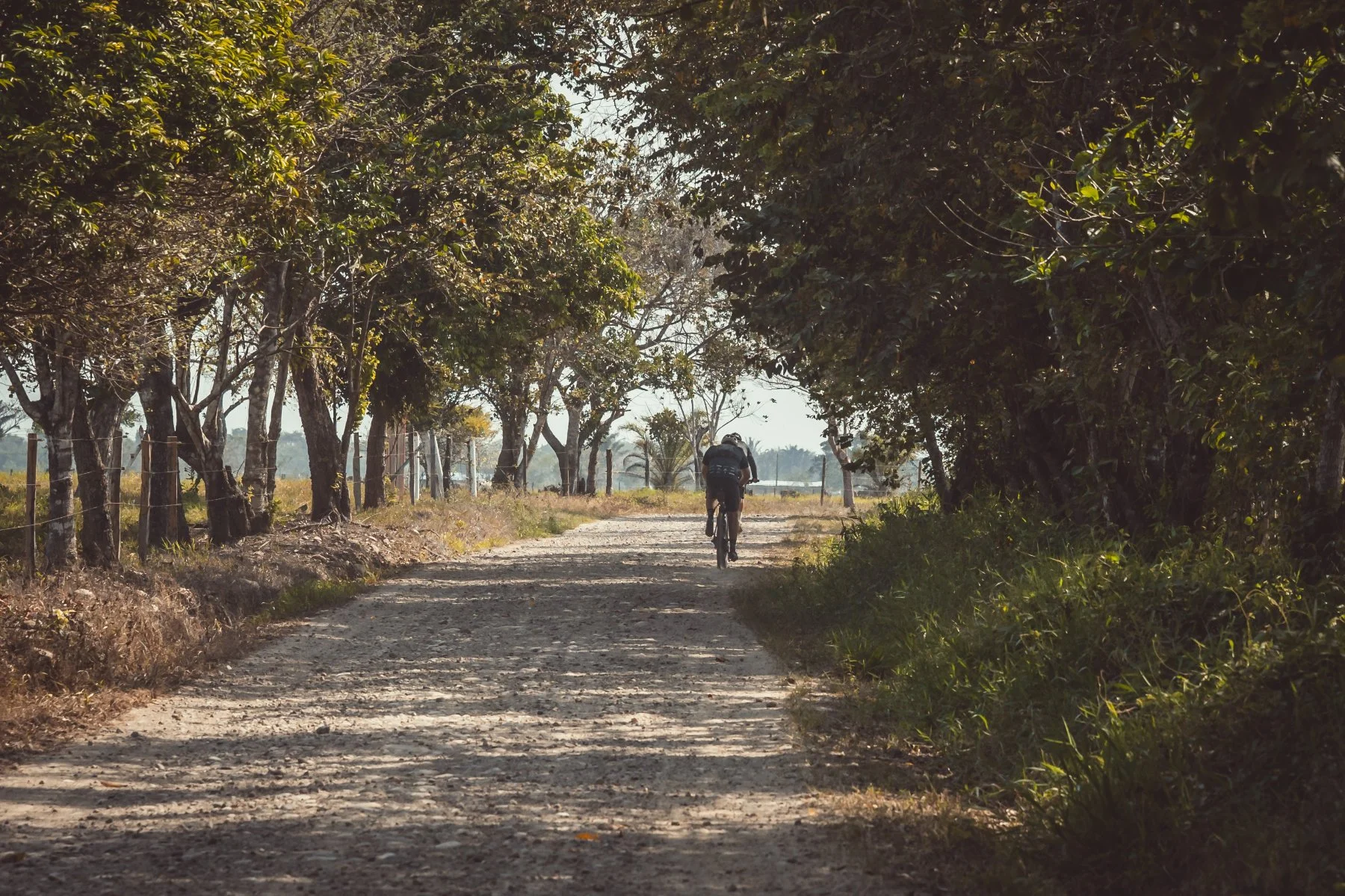
“This is the way we cross the Andes”
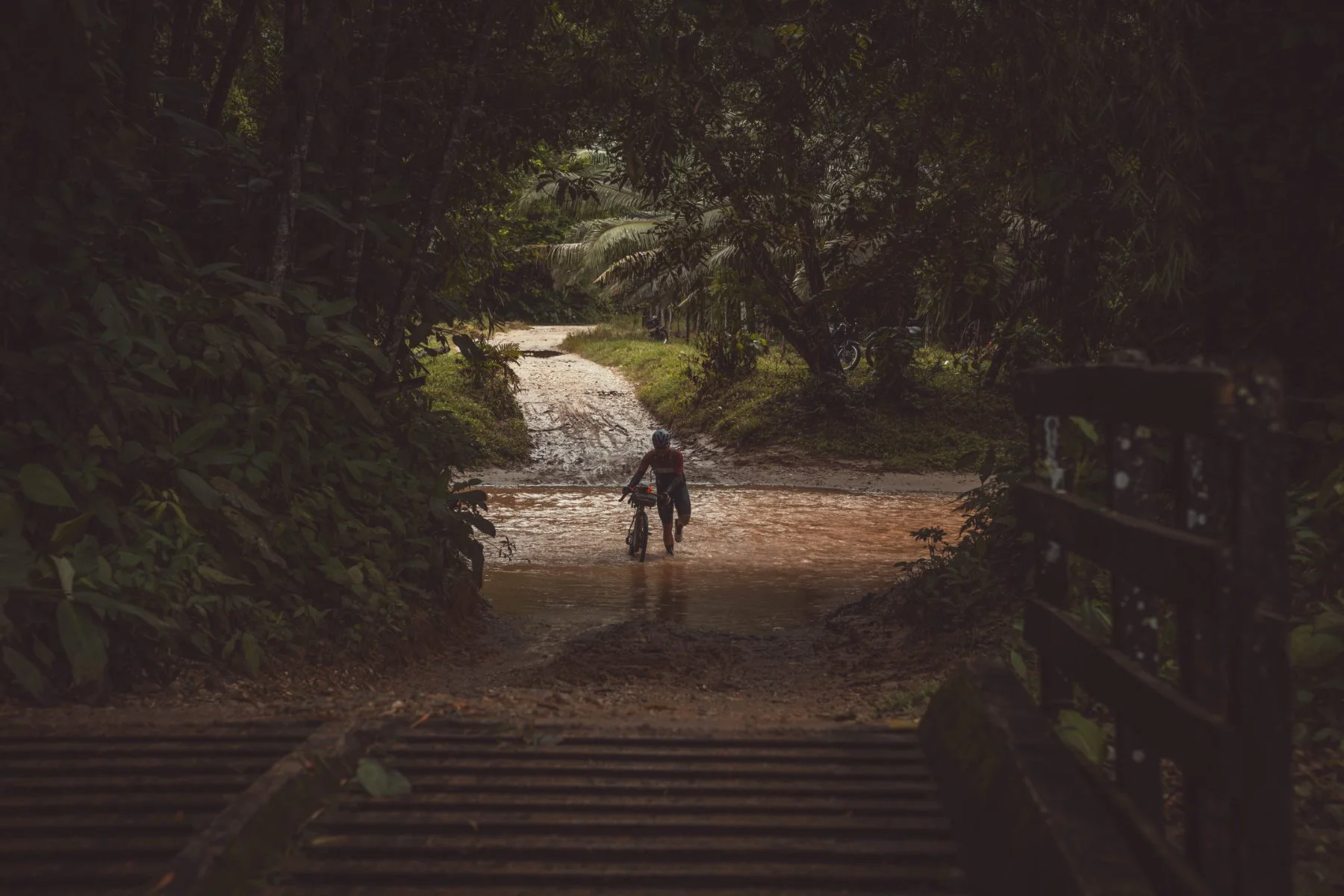
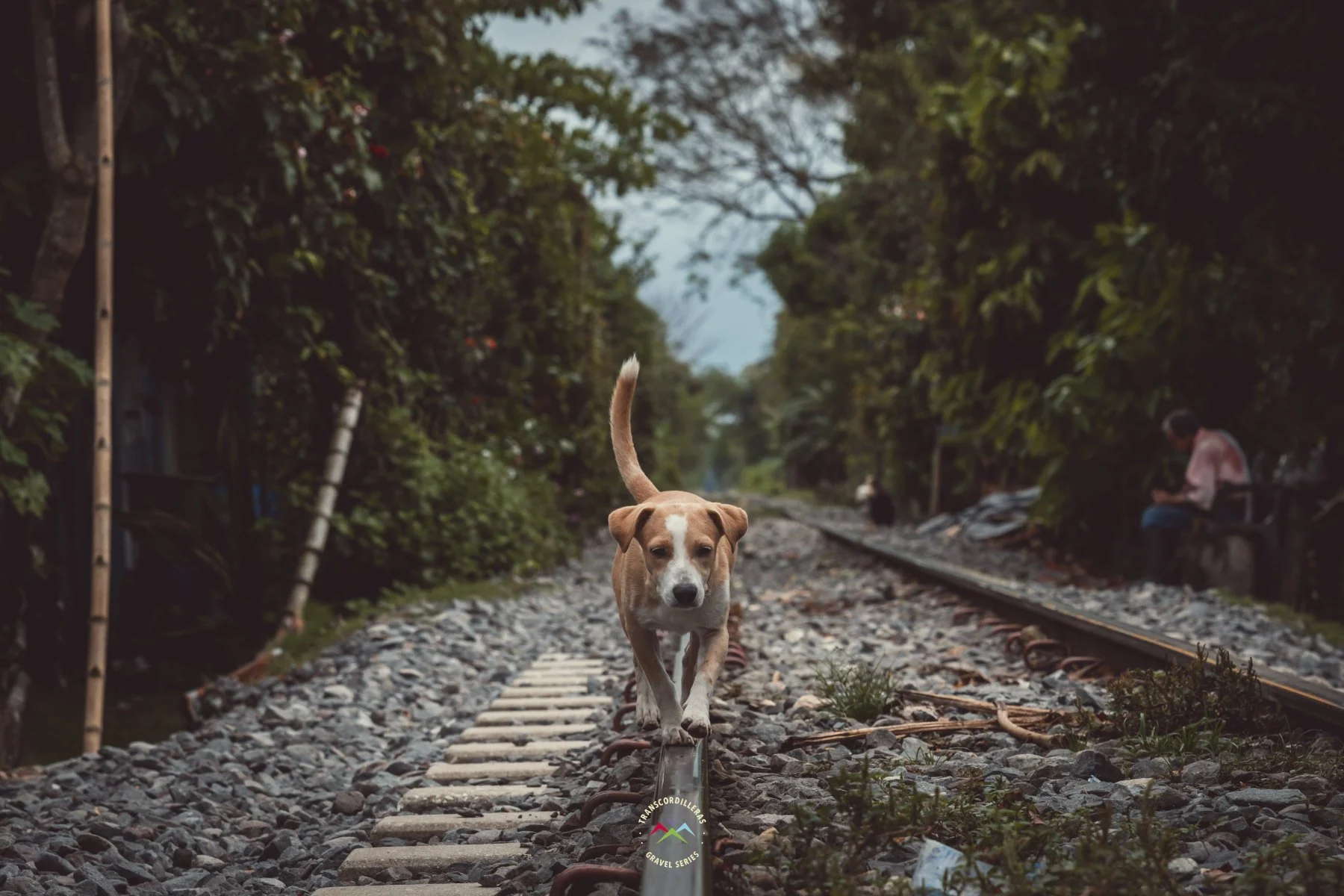
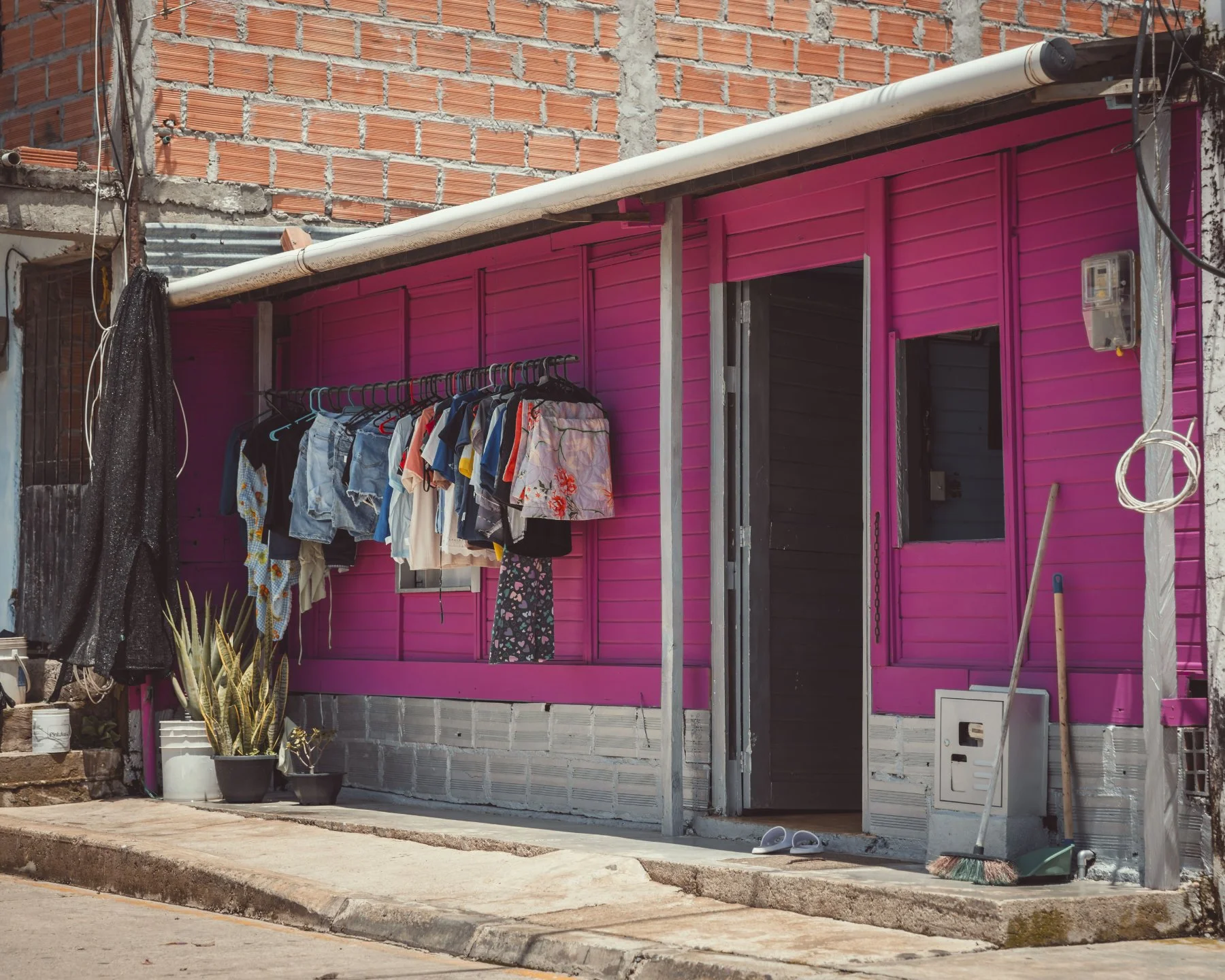
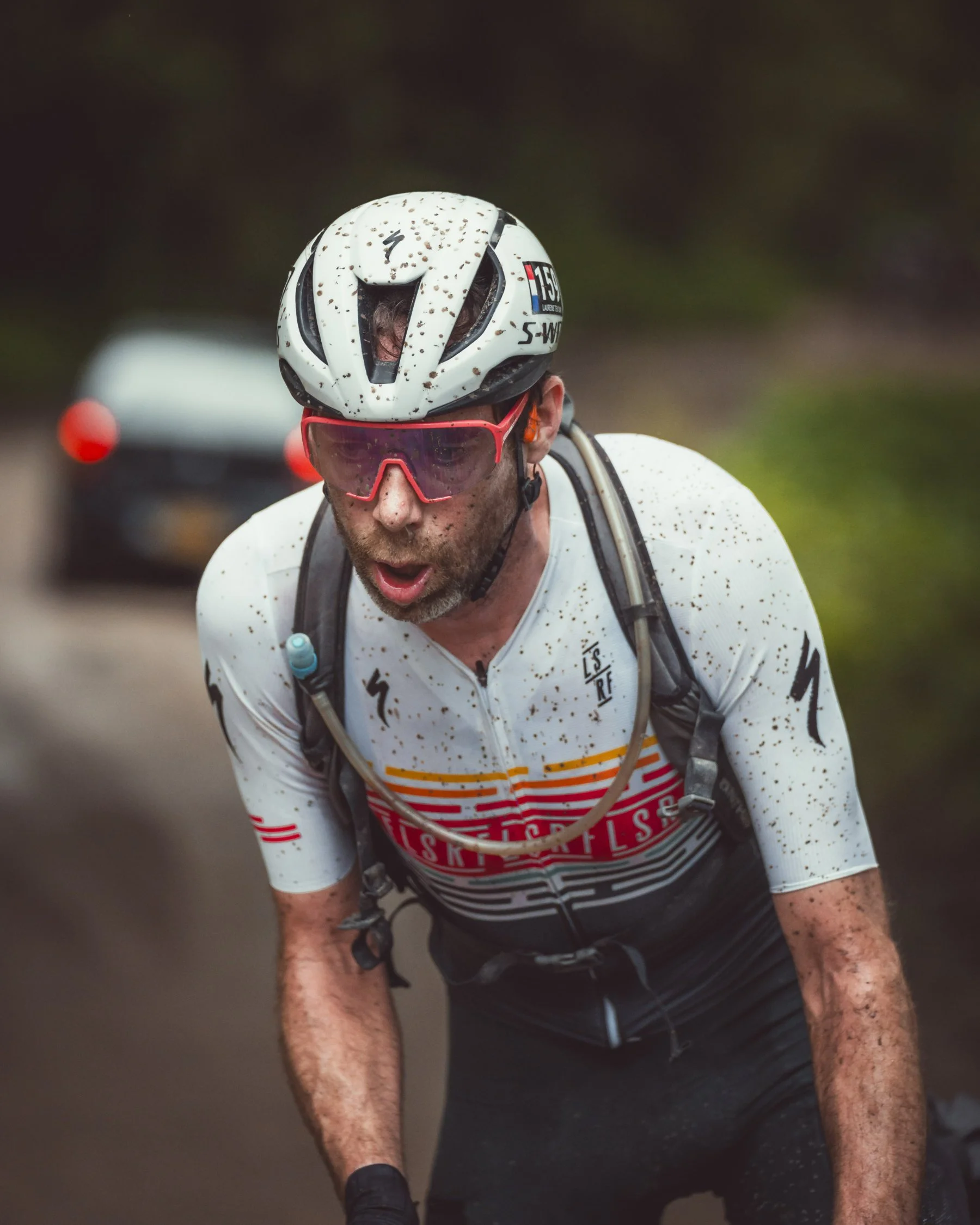
Transcordilleras promised that we would see an unforeseen, demanding, and deeply magical version of Colombia. By the end of the third day, we were deep into the jungle. We had crossed rugged roads, climbed majestic mountains, and descended dangerous switchbacks. We’d dodged caballeros and their cattle, evaded dogs, and raced through small, colorful pueblos. The misty jungle tracks turned to soft mud, deep puddles, and eventually a river. We pushed deeper into the unknown. That’s when it hit me:
This is the craziest ride of my life.
This is exactly what I was hoping for.
This is Transcordilleras.
TRANSCORDILLERAS
Transcordilleras offers a variety of races on an annual basis. Their signature event is the 8 stage gravel bikepacking race. It is widely considered one of the most challenging gravel races in the world. The route crosses the Andes mountain range, so harsh weather, high altitude, and relentless climbing are an expected part of the experience.
Transcordilleras is part sporting challenge, part cultural journey. It feels less like a conventional bike race and more like a dynamic survival exercise. Unlike most bike races, this one is the adventure of a lifetime. The 2026 8 stage course was ~600 miles long with ~60,000 feet of climbing. This year’s winner completed it in just under 35 hours. Some riders spent upwards of 60, 70, even 80 hours on the bike.
Breakdown of the 2026 Stages…
| Stage # | Distance (mi)* |
Ascent (ft)* |
Descent (ft)* |
Max Elevation (ft)* |
Average Temp (f)* |
Max Temp (f)* |
Pain Factor |
Fun Factor |
Strava Route |
|---|---|---|---|---|---|---|---|---|---|
| 1 | 63.73 | 6,811 | 6,811 | 7,743 | 74 | 95 | ★★ | ★★★ | Stage 1 |
| 2 | 92.68 | 6,821 | 12,487 | 6,400 | 78 | 93 | ★★★★★ | ★★★★★** | Stage 2 |
| 3 | 75.79 | 5,984 | 5,974 | 2,440 | 84 | 100 | ★★★★★ | ★★★★★*** | Stage 3 |
| 4 | 82.32 | 11,486 | 6,726 | 5,706 | 83 | 97 | ★★★★ | ★★★★ | Stage 4 |
| 5 | 54.12 | 8,307 | 5,282 | 10,694 | 75 | 91 | ★★★★ | ★★★★ | Stage 5 |
| 6 | 91.23 | 8,934 | 12,457 | 9,922 | 83 | 104 | ★★★★ | ★★★★★ | Stage 6 |
| 7 | 79.22 | 9,951 | 14,124 | 5,048 | 94 | 118 | ★★★★★ | ★★★ | Stage 7 |
| 8 | 59.79 | 709 | 643 | 959 | 97 | 104 | ★★★ | ★★ | Stage 8 |
| Totals | 598.88 | 59,003 | 64,504 |
**My runner-up favorite ride of all time
***My favorite ride of all time
Gravastoke EN Colombia
I first visited Colombia in 2017. It was so incredible that I went back in 2018. Of all the places I’ve been in the world, Colombia was easily a top 3 favorite. Years after those trips, on one of my first ever trainer rides, Lachlan Morton’s Thereabouts: Discovering Colombia planted a dream in me: A multi-day adventure gravel ride through Colombia.
When I came across the Transcordilleras series, I knew that it was time to make that dream come true. The Una Chimba documentary, which followed Pete Stetina and Laurens Ten Dam through the race, sealed the deal for me. I asked fellow Gravelstoke rider, Peter Sutcliffe, to join me. To my surprise, he was in. To his credit, he never wavered! We registered blindly and went for it.
Given I had never bikepacked, stage-raced, or even attempted this much riding in a week, I decided to take on the supported version of the challenge. This meant I didn’t have to carry my extra kit, off-bike clothes, or toiletries. I was seatpack-free. Peter, on the other hand, dove right into the fully self-supported challenge. And well, he crushed it.
We both completed all 8 stages of the race and surprised ourselves with our performances. My official time was 46 hours and Peter’s was 50. Within a strong field of 107 racers, we generally finished each stage between 20th and 50th place.
The Riding Experience
I cannot speak highly enough of the terrain and landscapes we crossed. Transcordilleras curated an outstanding dynamic gravel route. The culture of cycling in Colombia only helped to enhance the experience. Cars and motos offered happy honks as they passed, and locals cheered us on with cowbells and hand-ups as we raced through towns.
Within the week, we encountered everything from 7,000ft wet road descents to 5,000ft climbs into the mountain highlands. We faced rain, humidity, sunshine, heat, and altitude. Each day offered different adverse conditions. The gravel roads were varied, but generally rugged, unforgiving, and downright unbelievable. They took us through unforgettable landscapes and places.
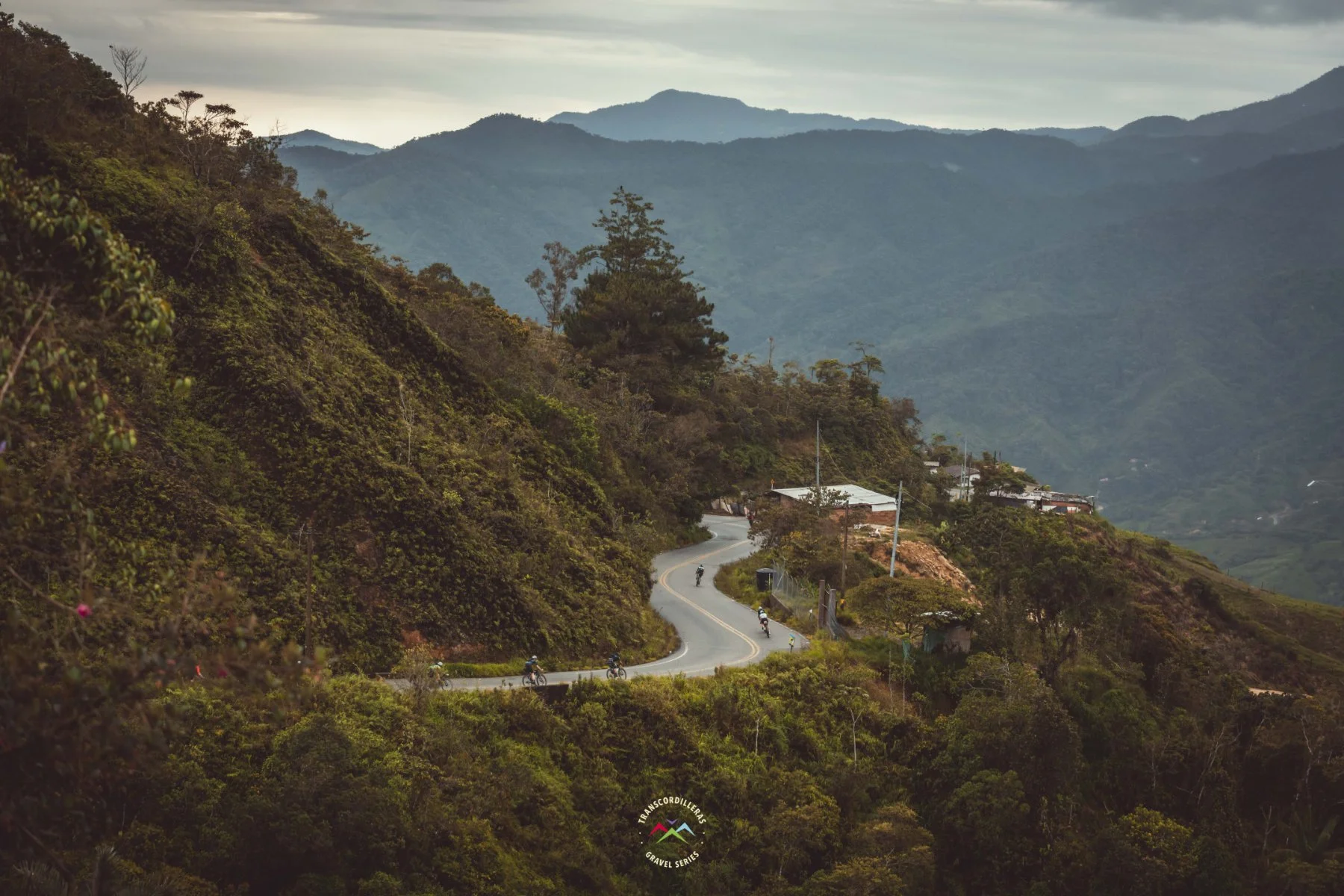
The descents were mind-boggling. They were steep, rocky, and wild. My new brake pads were gone after only a few days of riding. My second set of pads barely made it to the finish. At lunch, after stage 6, I remarked that the descent into town (pictured here) was “my favorite gravel descent of all time.” My comment caught Laurens Ten Dam’s attention. He turned and proclaimed, “that’s the best gravel descent in the world.” No one at the table dared to disagree.
The back-to-back long days of riding elevated my skill on the bike. I became a smoother climber, a faster descender, and a better bike handler along the way. Confidence built with each stage. 46 hours on the bike offered years of practice in a single week. By the time I reached the finish, I wasn’t the same rider who stood at the starting line. I broke through another plateau and grew as a cyclist.
A warning for those considering Transcordilleras: The quality and variation in Colombian terrain may have ruined riding in the United States for me. The climbs, descents, sights, and sounds now serve as my new benchmark for what is possible on a gravel bike. My definition of adventure has changed dramatically. I know, deep down, that my local farm roads and mountain bike trails will never measure up.
Transcordilleras sparked a fire deep within me. I am already questioning what’s next on the bike. I’m ready to race and searching for the next adventure, but my heart still yearns for Colombian gravel.
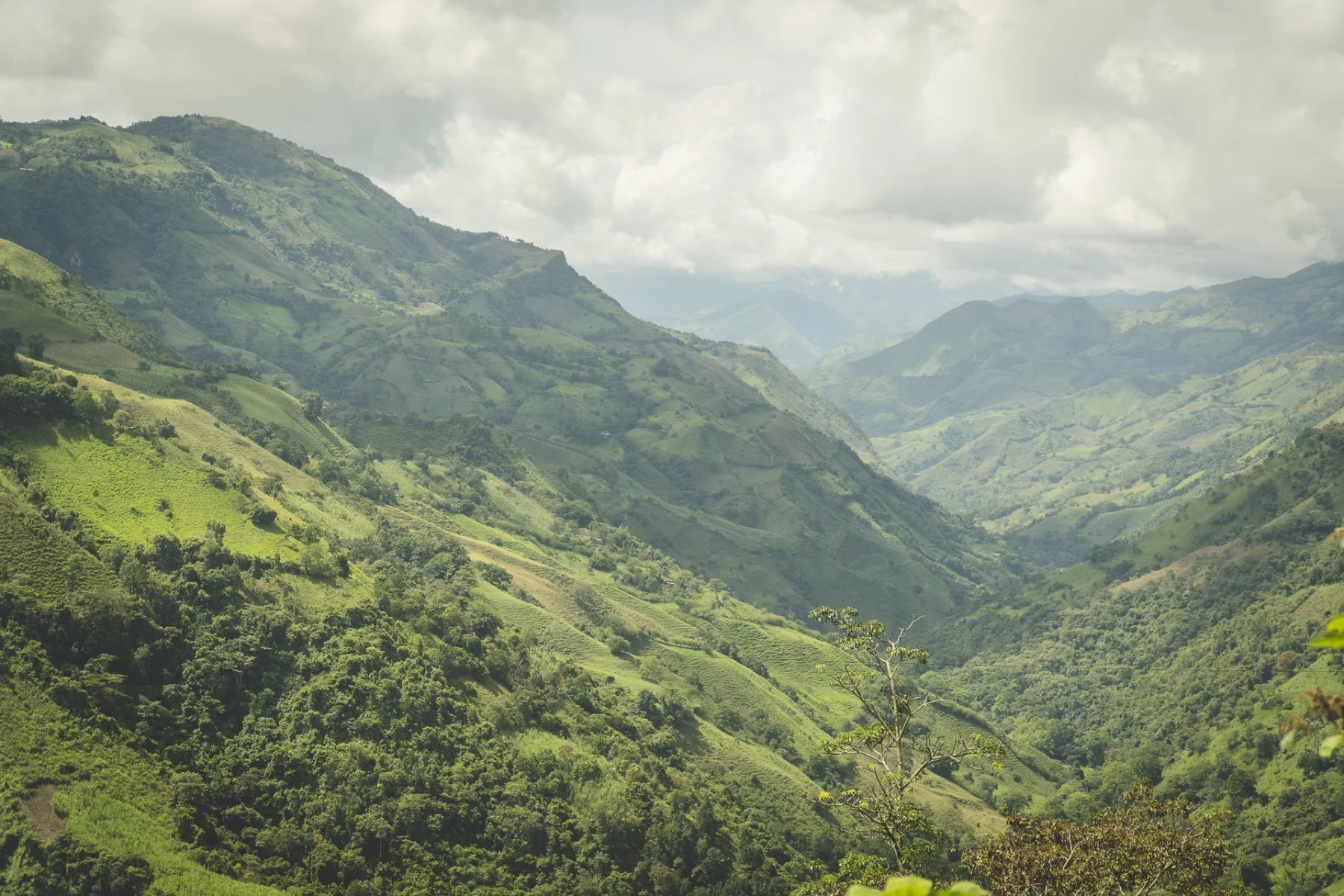
High altitude, relentless climbing, and a route that cuts straight through the heart of one of the most beautiful countries on earth. This is Transcordilleras.
The Collective Experience
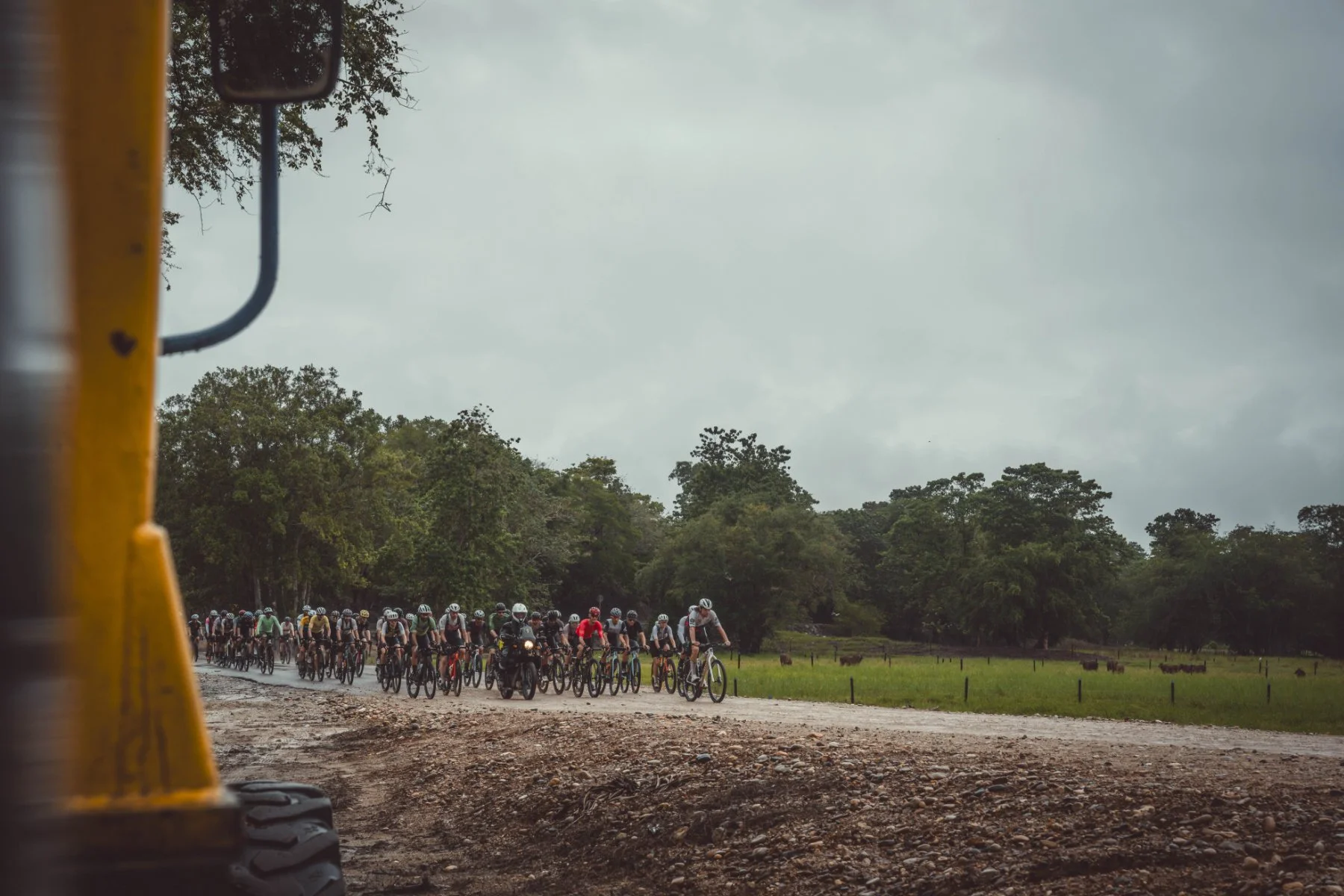
This may be a race report, but I registered for Transcordilleras to take on a challenging adventure ride, not to compete. The terrain and climate were my opponents. The other racers were good company and friendly faces. Riders from all over the world, with skill levels from UCI professional to weekend warrior, made their way to the start line. It was a competitive field, but we were in this together.
The temporary community created through the shared experience of Transcordilleras was unlike anything I’ve ever experienced. 8 days with the same 100+ people, on and off the bike, helps you settle quickly into a rhythm with new friends. Time is compressed and guards are let down.
On-course, you naturally find your group, riding with those of a similar fitness level each day, sharing the work, miles, and smiles. Off the bike, shared hotels, meals, and stories from the day help bond riders in a way that doesn’t happen in normal life.
Personally, I have never met so many exceptional, like-minded, and inspirational people in such a short period of time. Bonding quickly with strangers during Transcordilleras is something I will always cherish and remember.
I would like to express my sincere gratitude to Peter Sutcliffe for answering the call to join me at Transcordilleras. There were highs and lows during the trip, but we were always there for each other. I am so glad we were able to create so many core memories together. I’m proud of you!
While everyone at Transcordilleras was extraordinary, I want to give a special shoutout to my new friends Micah Bray, Zack Allison, Whitney Allison, Nicole Paul, and Pedro Sampaio. They helped me in more ways than they know.
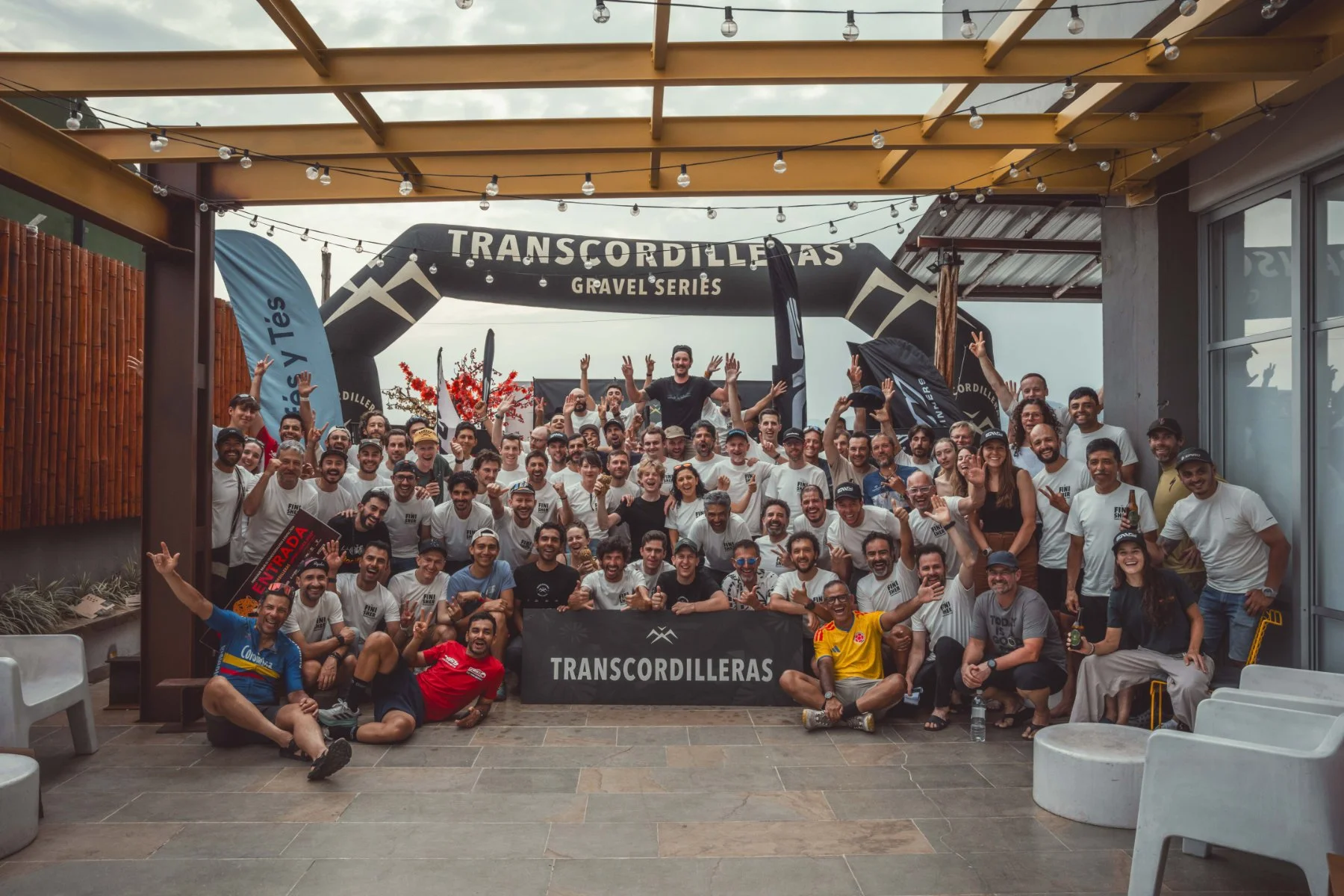
600 miles. Nearly 60,000 feet of climbing. All 8 stages completed. Colombia delivered everything they hoped for and more.
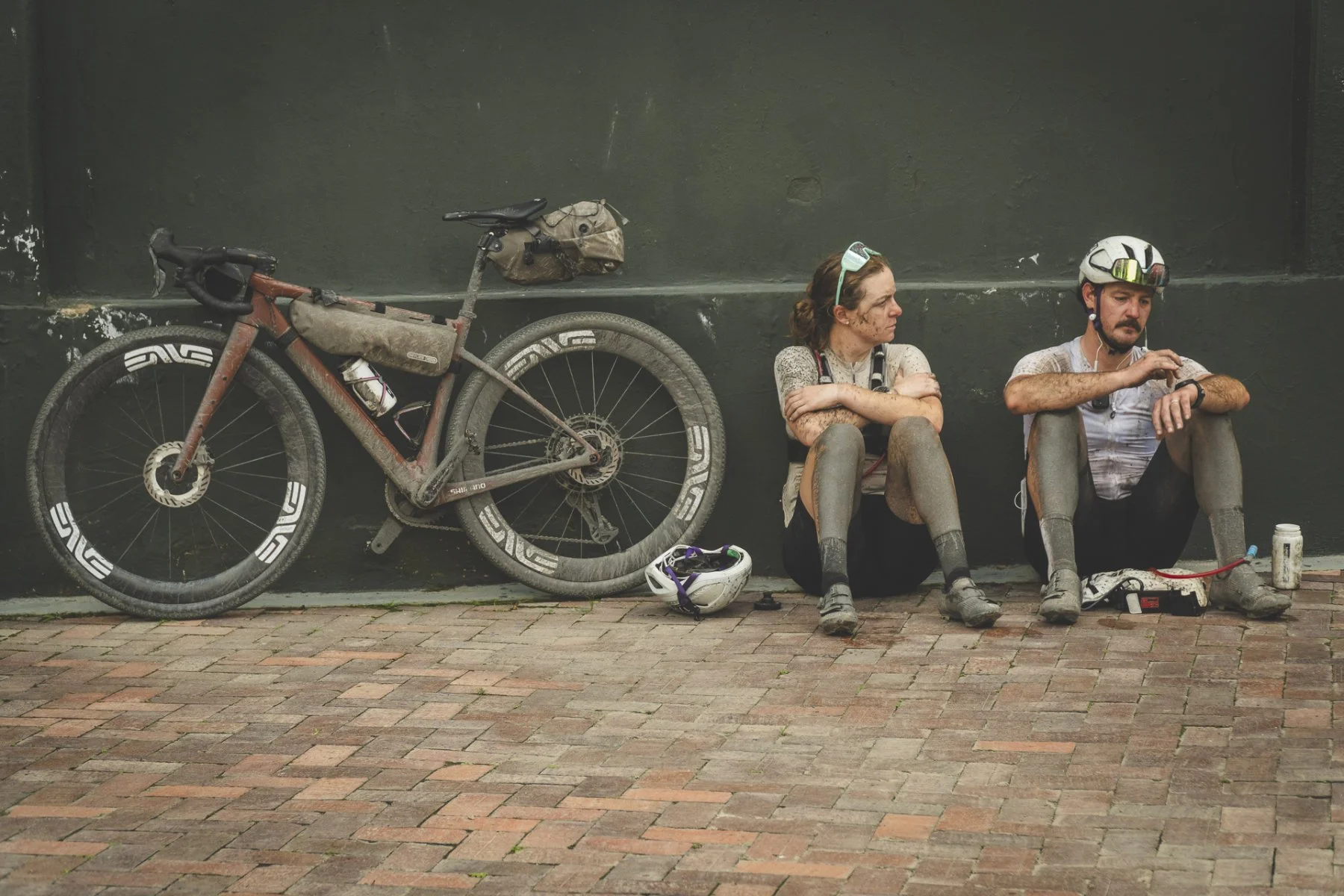
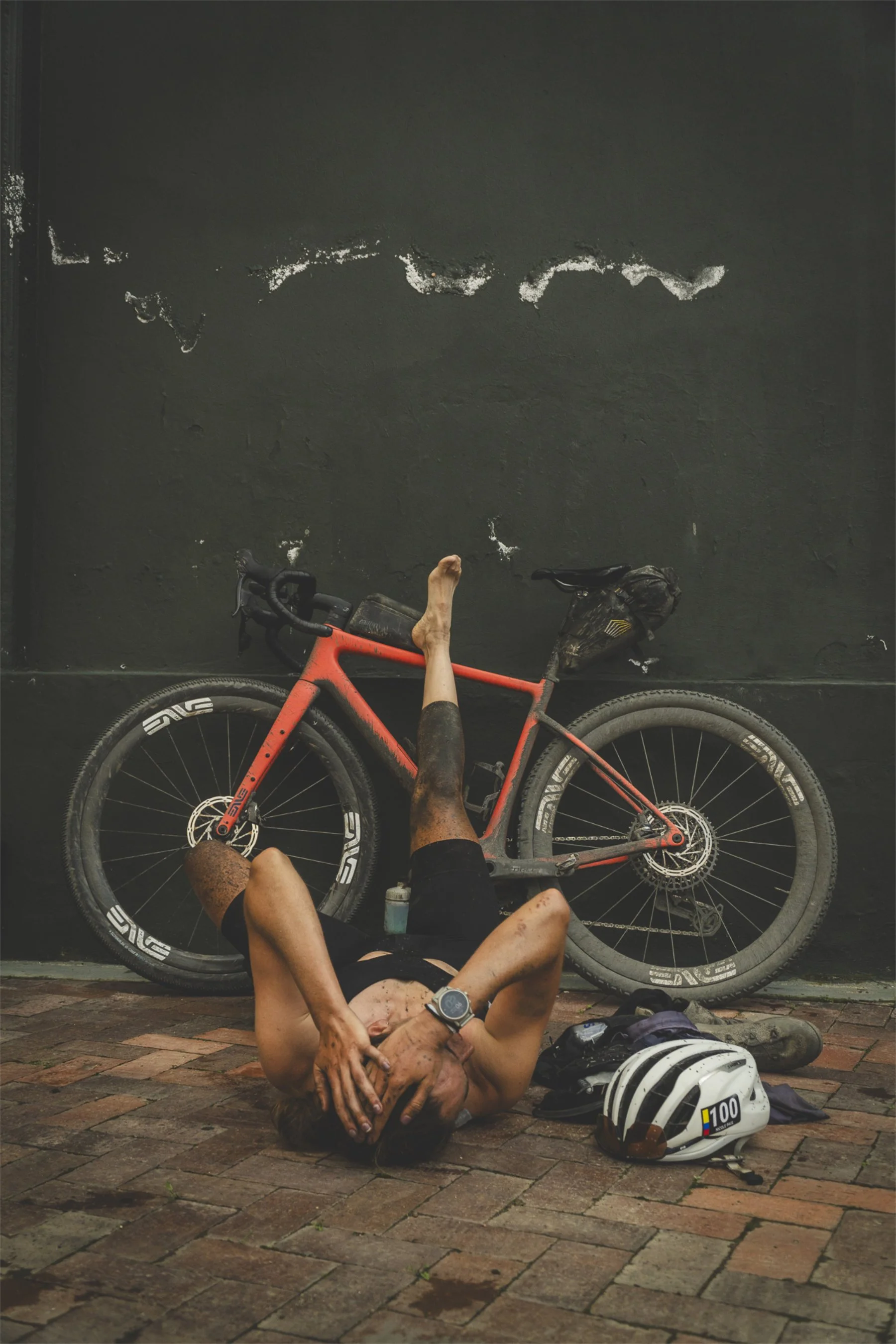
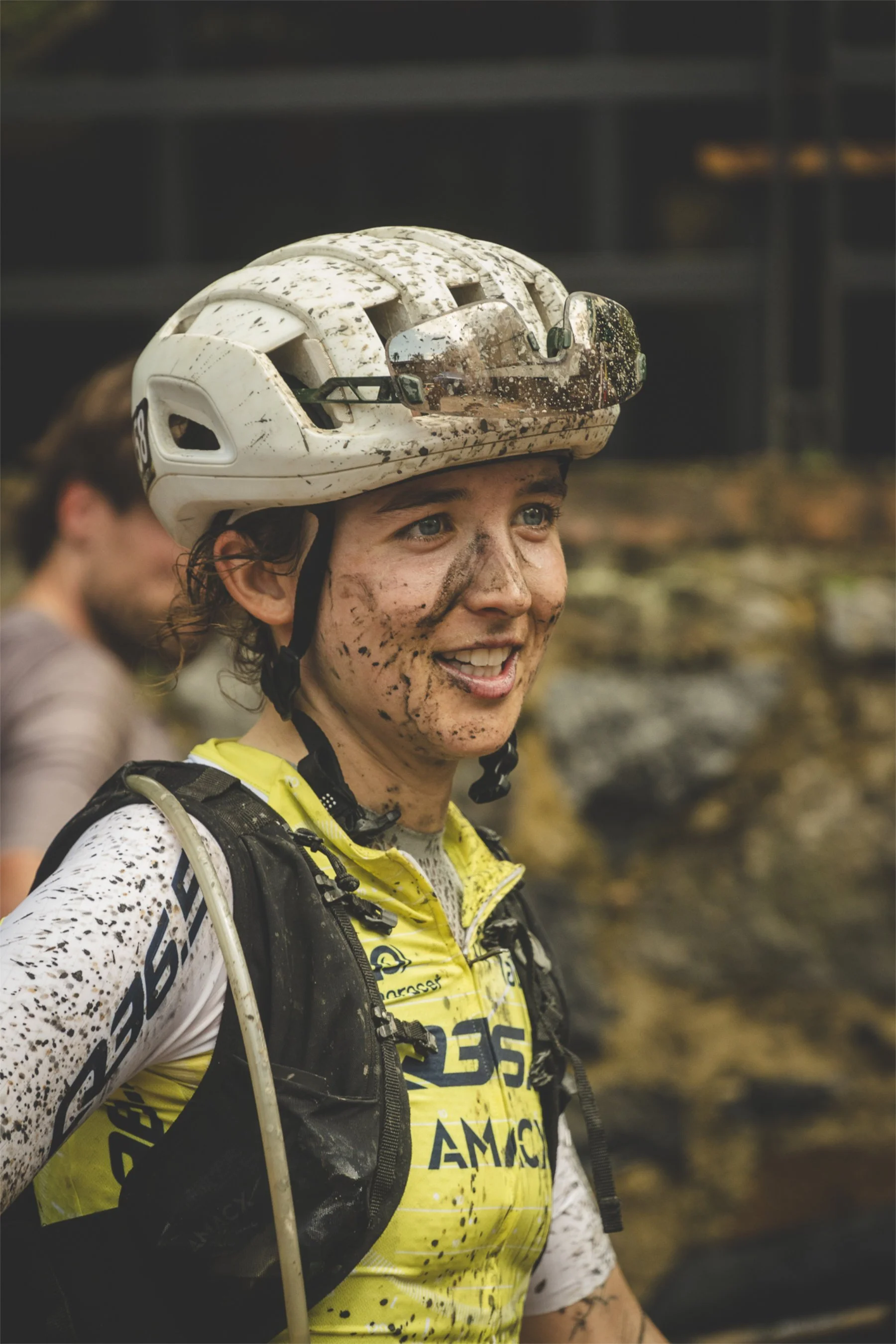
Zach and Whitney Allison after another tough stage at Transcordilleras 2026. Whitney would go on to finish first among women in the Autoabastecido category (self-sufficient) completing the 8 stage race in 42:06.
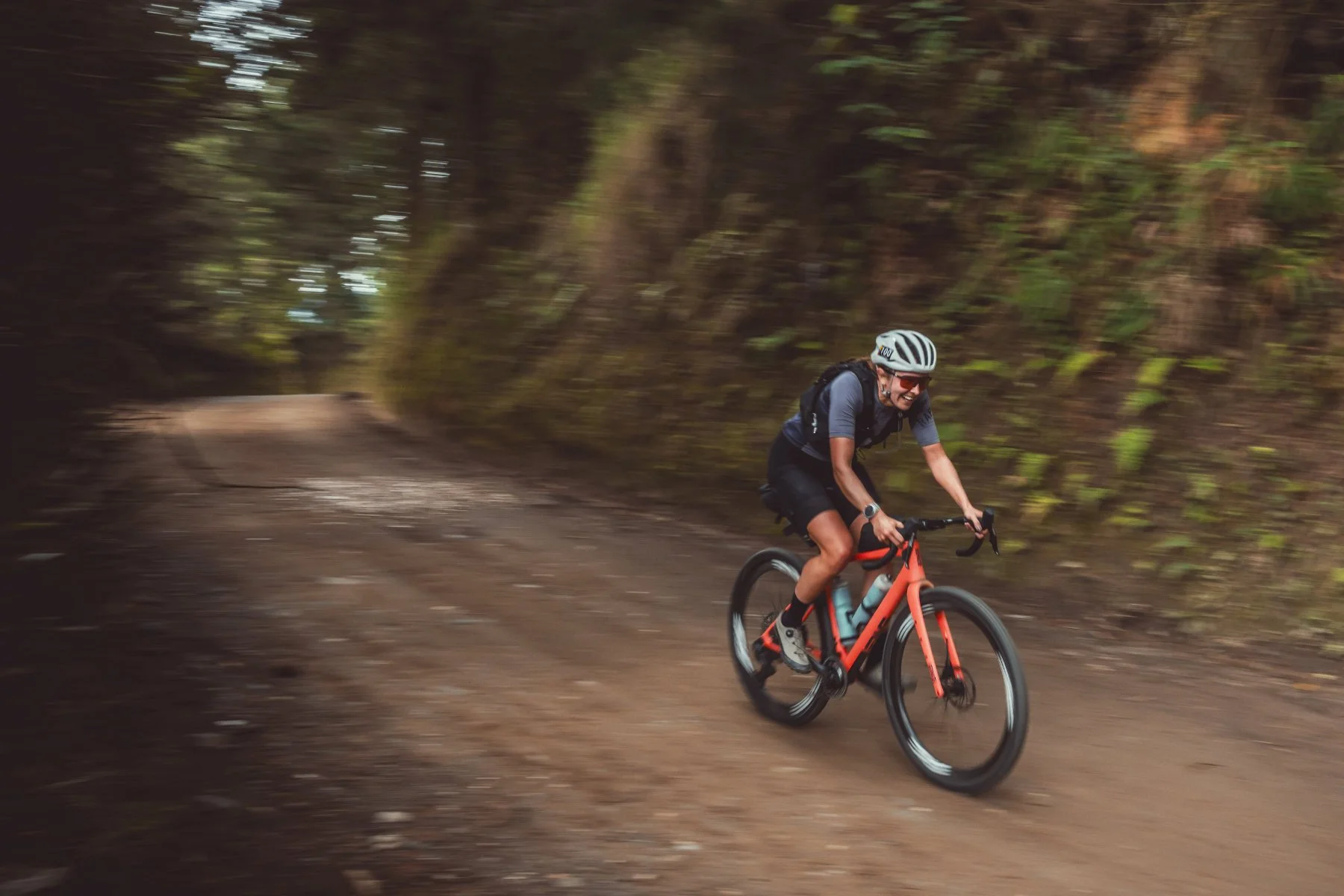
Nicole Paul finding her rhythm deep in the Colombian jungle on her Coral-colored MOG.
The Bike & Gear
Equipment selection is crucial for completing Transcordilleras. Broken bikes, flat tires, and other road-side mechanicals were common sights. Over 8 days, these were my favorites pieces of equipment:
Enve MOG: I didn’t know I could love this bike more than I did. It was the perfect gravel rig for Transcordilleras. The tire clearance, internal storage, and overall fit made the MOG the perfect companion for this adventure. Bonus points because many of the coolest riders were also on MOGs.
Vittoria Peyote 2.1 Tires: They’re heavy, but bulletproof. I had zero flats or issues across the extreme terrain. They were dependable when it mattered most.
Garmin 1040 Solar GPS Computer: Solar charging was ideal for long back to back days in the saddle. After 6-hour rides, my device generally had 80-90% battery remaining. The large screen made navigation easy and helped me stay on course…mostly.
OrNot Merino Clothing: One t-shirt and two pairs of boxer briefs were easy to keep clean and fresh in 8 days. They were comfortable after the long rides and well-worth the price tag.
Shokz OpenRun Pro 2 Headphones: If I wasn’t riding with others, I had my Transcordilleras Spotify playlist bumping tunes. Even on the longest days, the battery held strong and kept my morale high.
I checked in with Peter, who shared his thoughts on favorite equipment (in proper British English):
Lauf Siegla: Love this bike and absolutely perfect for these conditions. The fork made light work of some of Colombia’s more eccentric approach to road conditions and the tyre clearance gave me plenty of room for error when the mud struck. I ran a 38t chainring and 10-52 cassette, accepting the fact that I wouldn’t be needing speed on the flats. This approach served me well, especially on the days with long, long climbs above 3000m altitude when being able to just spin a super easy gear for hours on end was most welcome.
Schwalbe G-ONE RX PRO 50mm Tires: I’ve done a lot of experimentation on tyres over the years (as I imagine most gravel cyclists have?) and have settled on these as my favourite for the type of riding I like. They’ve seen me through many LA Tourist Races, Rock Cobblers, and various other testing rides, and performed admirably in Colombia (only held back by rider skill level!)
Wahoo Elemnt Bolt v2: I like a smaller computer so decided to use the Bolt, as opposed to larger battery capacity models, due to my estimates for each day being well within the battery span of the Bolt. All was going well until I was charging it after stage 5 and noticed a burning smell and thought “that’s not good”. My charger port had decided to melt! I managed to get through stage 6 on the remaining battery and then used a combination of the old school method of following my fellow riders and then rideWithGPS on my phone (easier said than done on bumpy gravel with no phone holder). To be fair to Wahoo they replaced my v2 with a brand new v3 on arrival at home
Bags: Living out of just the clothing/equipment, for both on and off bike, I could carry over the Andes for 8 days (even with spending each night in a hotel) brought many logistical headaches for me. The weather we could potentially encounter ranged from tropical and super humid in the valley to freezing rain in the high mountains necessitating carrying gear that I may never use “just in case”. I opted to run a bit heavier than some people at the pointy end but seemed to fall around average in terms of gear carried with a frame bag, seat pack and 2 top tube bags. Special shoutout to my Repack/Quoc sandals that have a really nice system to allow them to hook around my seat pack and not take up precious space inside
Closing Thoughts
Transcordilleras is not for everyone. The race is meant to be difficult, so it’s most appropriate for seasoned riders looking to take on a big challenge. Crashes, mechanicals, altitude sickness, heat stroke, and dehydration are all possible. The course is not closed. Racing through traffic, whether on rural roads or in populated towns, means you need to be on your toes at all times. The fatigue builds and if you aren’t careful, you might find yourself in a ditch (as I did on day 8). I found the ever-present danger and changing conditions enhanced the experience. If you are considering Transcordilleras, just know what you are getting yourself into.
Transcordilleras offers up the most beautiful and rewarding experience imaginable. I described it to my friends and family as the best week of my life. Personally, I hope to be back next year to take on the self-supported version. I would like to challenge my fellow Gravelstokers to join me for the life-changing ride. Feel free to reach out with questions. You can find me on the Gravelstoke Slack channel, Instagram, or Strava. See you out there! 🤙
2026 Gravelstoke x Voler Super Cargo Bib is a high performance bib short with a 6+ hour chamois, integrated leg grippers, wide bib straps, and three cargo pockets for comfort and durability on long rides.