
Bike Math: High End Builds and Driver Insurance
An entry level gravel bike starts somewhere around $3,000, with mid-tier builds landing in the $5,000 range. Add a quality carbon wheelset, power meter, electronic groupset, GPS computer, and a professional fit and you're well past $10,000 before you've touched the custom builds. High end titanium or carbon builds from sought-after framebuilders can push $20,000 and beyond. For riders making that kind of investment, the question isn't far from mind: if a driver hits you and destroys that bike, does their insurance actually cover what it's worth? What about depreciation? What if their policy limit doesn't come close to what it costs to replace?
In the second installment of our series with Bonnici Law Group, Josh Bonnici walks through exactly how property damage claims work after a bike crash, where the process tends to break down for high-end builds, and what every rider should be doing right now to protect themselves before anything happens on the road.
Josh Bonnici, Manager Attorney, Bonnici Law Group
My Bike Costs More Than Some People’s Cars. Does the Driver’s Insurance Actually Cover That?
If you ride enough, you have probably had this conversation with a non-cyclist:
“That bike costs how much?”
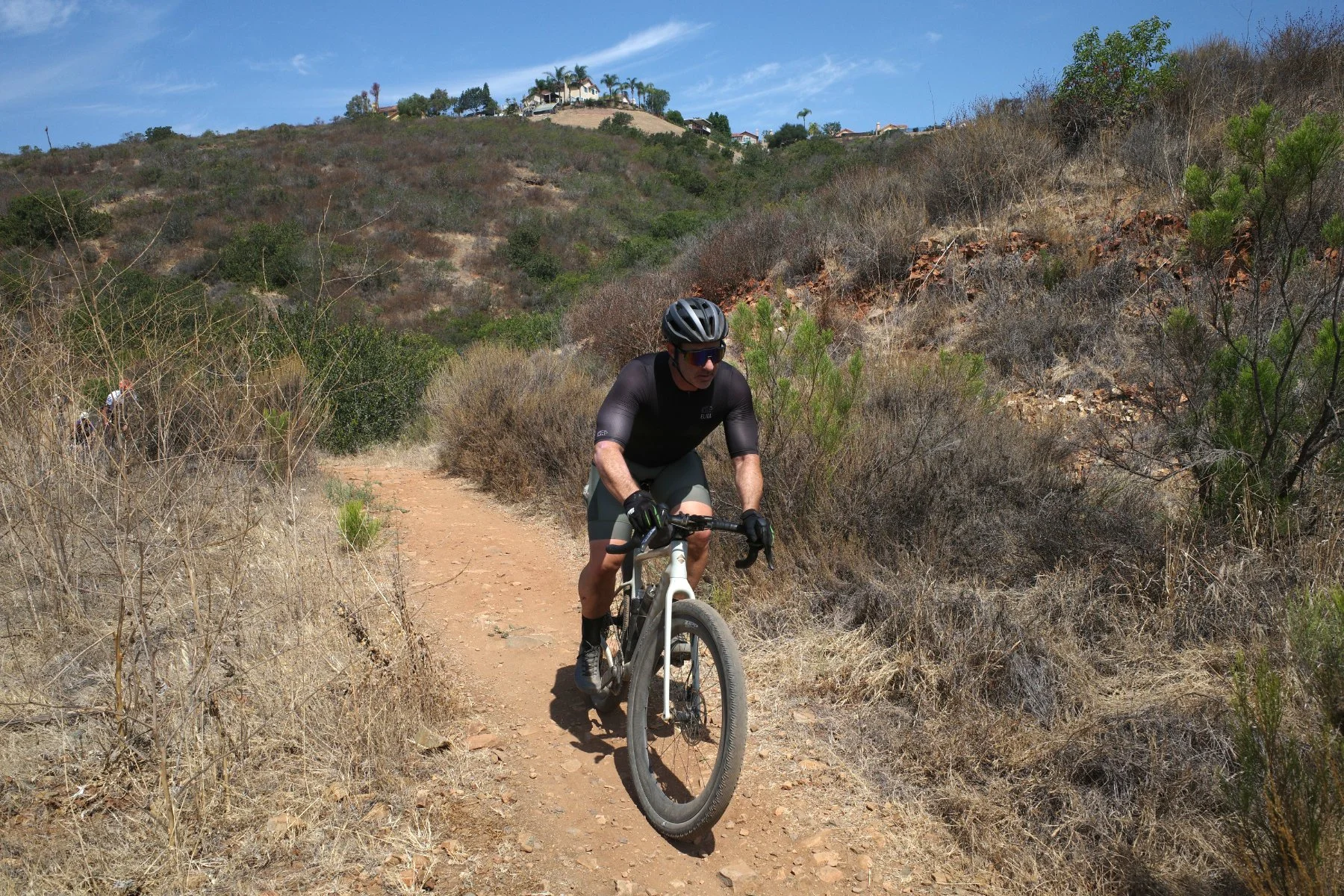
Yes, a modern road, gravel, triathlon, or mountain bike can easily cost more than a used car. Add electronic shifting, carbon wheels, power pedals, radar, lights, computer, saddle, shoes, helmet, kit, and a custom fit, and suddenly your “bike” is not just a bike. It is a very expensive piece of equipment that may also be your transportation, fitness outlet, social life, race machine, and mental health reset button.
So, what happens when a driver hits you and destroys it?
Does the driver’s insurance actually cover the bike?
The honest answer is: maybe, but not always fully.
Property Damage Is Separate from Your Injury Claim
After a bike crash, there are usually two broad categories of claims: bodily injury and property damage. Think of them as two different buckets of money.
The bodily injury claim - or bucket - deals with your physical injuries, medical care, lost wages, pain, limitations, and how the crash affected your life.
The property damage claim deals with the bike and gear.
Those are related, but they are not the same. In many cases, the property damage claim can be handled earlier while the injury claim remains open until you’re fully healed and back on the bike. That can be important because most cyclists want to get back on the bike as soon as they physically can.
But getting paid fairly for a high-end bike is not always so simple.
California’s Minimum Property Damage Limits
California currently requires drivers to carry minimum liability insurance of $30,000 for injury or death to one person, $60,000 for injury or death to more than one person, and $15,000 for property damage. The property damage coverage is the part that usually applies to your bike and gear.
That $15,000 property damage limit is better than the old $5,000 minimum from years past, but for serious cyclists, it can still disappear quickly.
A modern carbon road bike with Ultegra Di2, carbon wheels, power meter, computer, radar, helmet, shoes, kit, sunglasses, and accessories can exceed $15,000 without much effort. A superbike, custom build, or high-end mountain bike can go beyond that even faster.
And if the crash damaged someone else’s property too - another rider’s bike, a parked car, city property, or multiple bikes in a group ride - that same property damage policy may have to cover everyone’s property damage, not just yours.
Replacement Cost Versus Actual Cash Value
This is where cyclists often get angry, and understandably so.
You may think: “It costs $8,500 to replace this bike, so the insurance company should pay $8,500.”
The insurance company may respond: “Your bike was three years old, so we are applying depreciation.”
That is the fight.
Property damage is often calculated based on fair market value or actual cash value, not necessarily what it costs to buy the newest equivalent model off the shop floor. The carrier may look at age, condition, mileage, prior damage, upgrades, comparable used-bike listings, and whether the frame or components can be repaired.
For riders, that can feel disconnected from reality. Bikes are not generic appliances. A carefully maintained race bike with upgraded wheels and a professional fit is not the same as a random used listing online.
That is why documentation matters.
How to Prove the Value of Your Bike
If your bike was damaged in a crash, start building the property damage file like you would build a race-day checklist.
Things to gather:
Original purchase receipt
Receipts for upgrades
Wheel, power meter, pedal, computer, radar, light, and saddle receipts
Bike fit records
Recent photos of the bike before the crash
Photos after the crash. The more detailed the better
Maintenance records
A written inspection from a reputable bike shop. Important!
A frame inspection if carbon damage is suspected
Replacement estimates for the same or closest comparable model
A bike shop letter can be especially helpful. It should explain what was damaged, whether the frame is safe, whether carbon inspection is recommended, what components need replacement, labor costs, and whether repair is economically reasonable.
For carbon bikes, hidden damage is a major issue. A frame can look “mostly fine” to an adjuster and still be unsafe to ride. No cyclist wants to find out on a descent that the frame, fork, steerer, bar, or wheel was compromised. Most reputable shops will total a carbon frame when in a major collision, even when no visual damage can be seen.
Do Not Let the Adjuster Treat Your Bike Like a Beach Cruiser
Many adjusters do not understand bikes. They may see “bicycle” and assume a few hundred dollars. That is not always bad faith; sometimes it is just ignorance.
Your job is to educate them with documentation.
Send photos. Send model information. Send comparable bikes. Send the shop estimate. Explain the components. Explain why a cracked carbon frame is not something you “just ride and see what happens.” We like to also explain why buying a used carbon frame (especially when the damaged bike was purchase new) is a big question mark.
A detailed property damage demand is harder to dismiss than a rider simply saying, “my bike was expensive.”
What If the Insurance Limit Is Not Enough?
This is the painful part. If the at-fault driver only has $15,000 in property damage coverage and your total equipment loss is higher, the insurance company may not pay more than the policy limit.
That does not necessarily mean you are out of options.
You may be able to pursue the driver personally for the difference, although collecting from an individual can be difficult. You may have coverage through your own insurance, depending on the policy. Some homeowners or renter’s policies may provide coverage for damaged personal property, although exclusions, deductibles, and limits vary. Some cyclists also carry separate bike insurance, especially for high-value bikes.
If the crash happened during an organized event, while the driver was working, or involved a commercial vehicle, there may be other coverage available. If the driver was in the course and scope of employment, the employer may also become part of the analysis.
The key is not to assume the first insurance answer is the final answer.
Should You Settle the Property Damage Claim Separately?
Sometimes yes. Sometimes no.
If the insurance company offers a fair property damage settlement and the release is clearly limited to property damage only, it may make sense to resolve that part so you can replace your bike. But be extremely careful with releases. You do not want to accidentally sign away your bodily injury claim just to get a check for your bike.
Never sign a release without having an attorney review it! (Pro-tip: Bonnici Law Group will review it for free).
Before signing anything, confirm in writing that the release applies only to property damage and does not release your injury claim.
Final Thought
Yes, the driver’s insurance may cover your bike. But whether it covers the full cost depends on the policy limits, the proof of value, the nature of the damage, and how carefully the claim is presented.
If you ride a high-end bike, treat your equipment like it matters before the crash ever happens. Keep receipts. Take photos. Document upgrades. Know your insurance options.
Because when a driver destroys a bike that took years to build, “it’s just a bicycle” is not an acceptable answer.
Bonnici Law Group
If this situation is happening to you, feel free to reach out to attorney and rider Josh Bonnici. He’s dealt with every situation on the road and with insurance companies defending riders .We handle property and injury claims for clients, so that’s one less thing on your plate. All consultations are free, and if it’s a claim that he can help on, there’s no fees due until the claim resolves. And, we don’t take a fee on property damage claims – so you keep 100% of the amount we collect for you!
Visit Bonnici Law Group
2026 Gravelstoke x Voler Super Cargo Bib is a high performance bib short with a 6+ hour chamois, integrated leg grippers, wide bib straps, and three cargo pockets for comfort and durability on long rides.